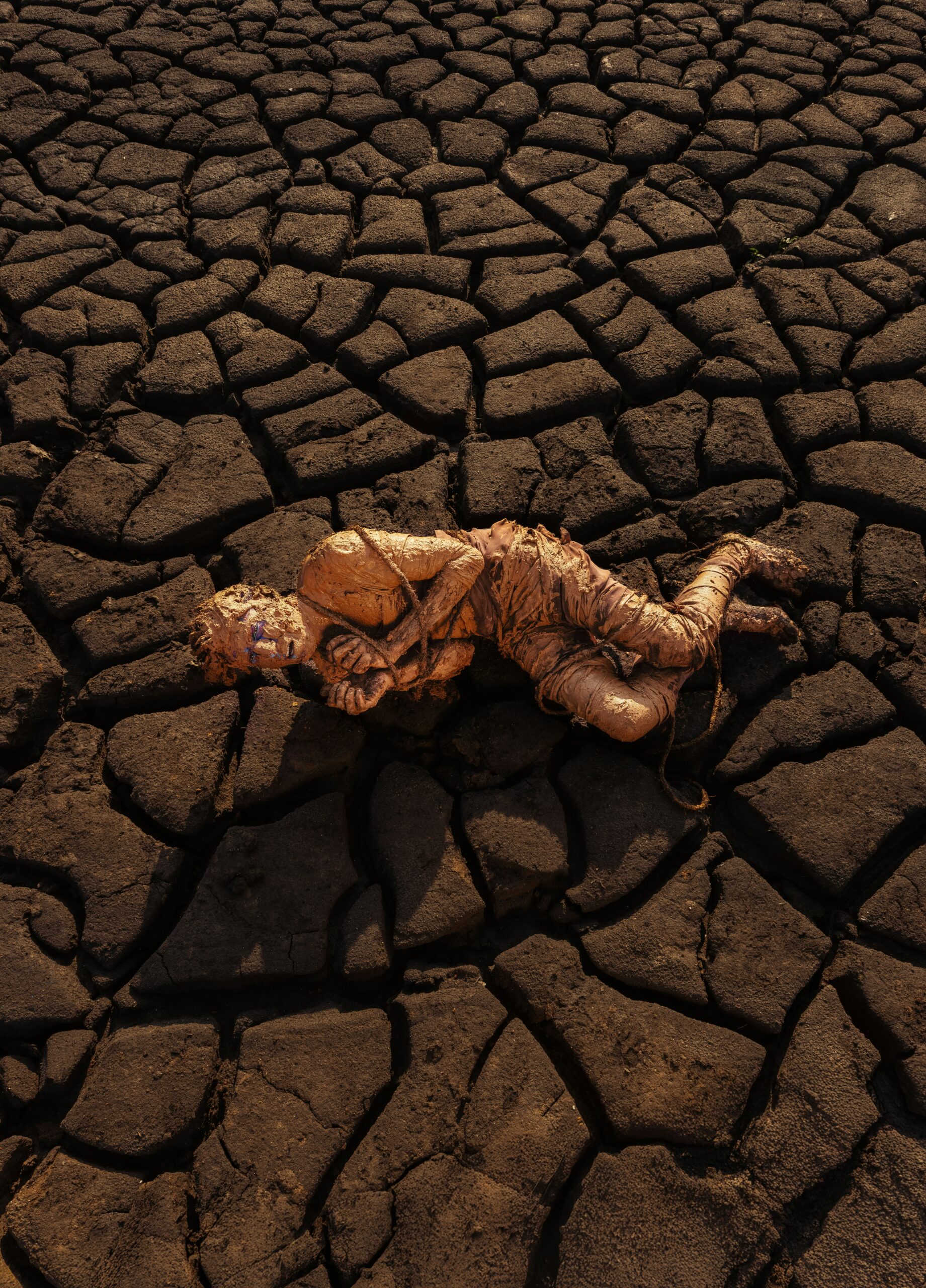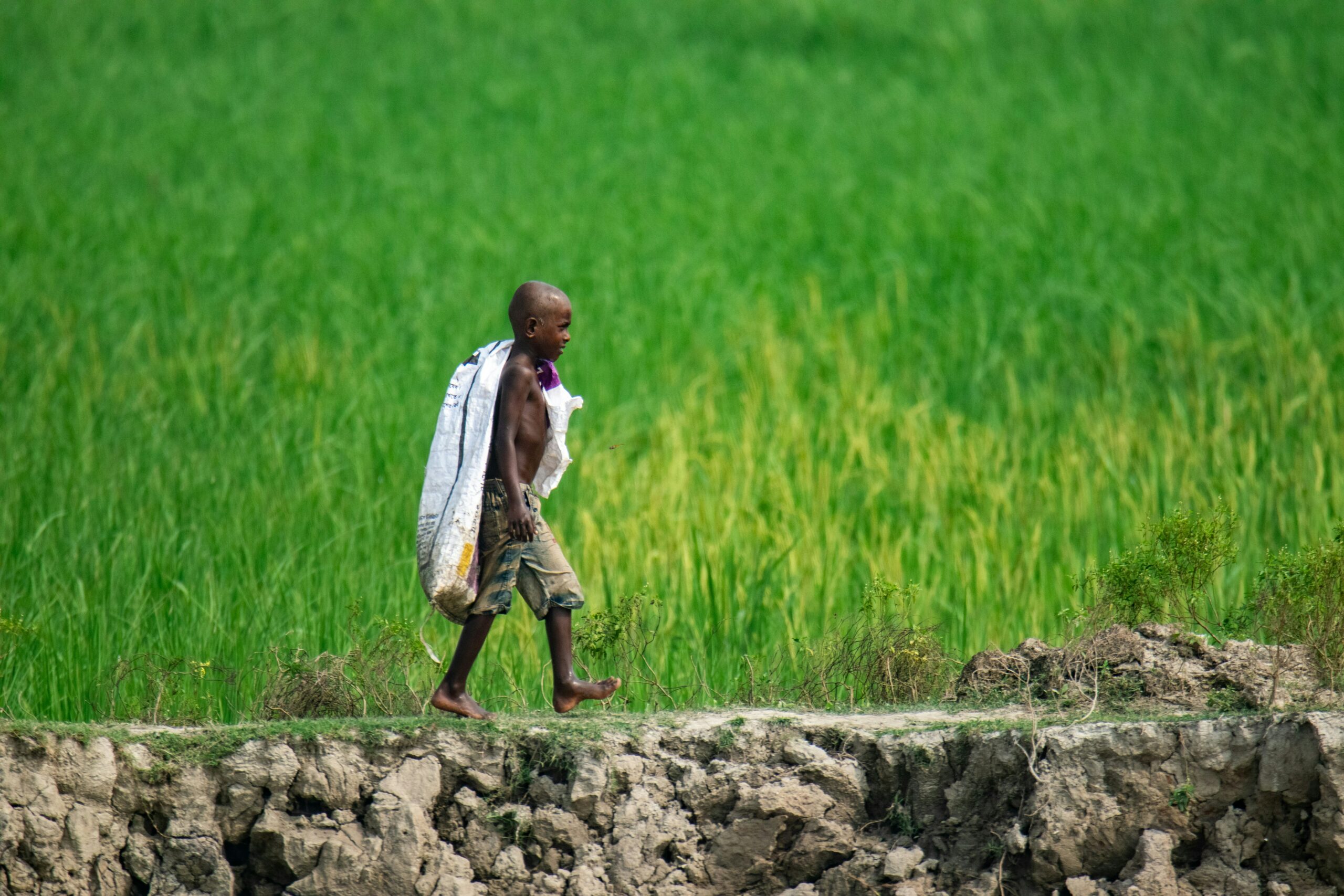
The state of global food insecurity has escalated to unprecedented levels, with a confluence of conflict, climate change, and economic instability driving millions towards starvation, necessitating immediate and coordinated international intervention. Recent analyses from leading humanitarian organizations indicate that the long-term trend of decreasing hunger has been sharply reversed over the past five years, placing immense strain on humanitarian aid infrastructures and threatening prolonged regional instability across multiple continents.
A Volatile Nexus of Crises
While localized food shortages have always plagued certain regions, the current crisis is characterized by its scale and complexity. Protracted conflicts, particularly in the Middle East and parts of Sub-Saharan Africa, continue to displace populations and cripple agricultural production and supply chains. War zones often see food intentionally weaponized, hindering both distribution and access, leaving besieged communities reliant on increasingly scarce external aid.
Simultaneously, the accelerating impacts of the climate crisis are evident in widespread crop failures and livestock losses. Consecutive years of devastating droughts in the Horn of Africa, coupled with severe flooding events in South Asia, have decimated farming communities. This environmental volatility erodes resilience, forcing subsistence farmers into deeper cycles of poverty and hunger.
Furthermore, economic turmoil—exacerbated by post-pandemic recovery challenges and global inflation—has made staple foods prohibitively expensive for the poorest households. According to a recent assessment by the World Food Programme, surging prices for energy and fertilizer have dramatically increased the cost of food production and transportation globally, hitting import-dependent nations the hardest. Many families are now forced to choose between feeding their children and providing essential healthcare or schooling.
Impact Beyond Hunger
The ramifications of this crisis extend far beyond malnutrition. Experts warn of a “wasted generation,” as chronic undernourishment in children under five leads to irreversible stunting and cognitive impairment, jeopardizing long-term societal development. Moreover, food insecurity is a potent driver of mass migration and social unrest. As competition for resources mounts, the potential for internal displacement and regional conflict increases markedly.
“We are witnessing a humanitarian perfect storm,” stated Dr. Lena Akbari, director of the International Relief Coalition. “The traditional aid models are simply overwhelmed by the simultaneous scope of these emergencies. What is needed now is not just emergency funding, but fundamental shifts toward climate-resilient agriculture and robust early warning systems designed to prevent famine, not just respond to it.”
Addressing the Global Challenge
Tackling this complex emergency requires a multi-pronged strategy focused on both immediate relief and long-term structural changes:
- Prioritizing Humanitarian Access: International diplomacy must ensure safe, unimpeded delivery of food and medical supplies to populations trapped in conflict zones.
- Investing in Climate Adaptation: Support for smallholder farmers in vulnerable regions must focus on resilient crops, water conservation techniques, and predictable weather-indexed insurance schemes.
- Stabilizing Global Markets: Coordinated efforts by major economies are essential to manage commodity price volatility, ensuring that essential goods remain accessible to low-income nations.
Without immediate, sustained global commitment, the number of severely food-insecure individuals will continue its sharp upward trajectory, undermining decades of progress in public health and global stability. The time for reactive measures has passed; proactive, preventative solutions are now critical to avert further catastrophe.