GENEVA, Switzerland — As the world hurtles past critical environmental thresholds, leading climate scientists and geopolitical experts convened this week to issue a stark, unified warning: current national commitments are insufficient to avert catastrophic global warming, requiring immediate and radical shifts in energy policy, industry practices, and international finance. This urgent message, delivered amid escalating extreme weather events worldwide, signals a tipping point where incremental changes are no longer viable, demanding a wartime-level mobilization by governments to meet the 1.5°C Paris Agreement limit.
The Growing Gap Between Ambition and Reality
The latest analysis confirms deep concern that the trajectory of global emissions remains severely misaligned with the targets set by the international community. While many nations have pledged “net-zero” goals, the implementation mechanisms—the concrete domestic policies and immediate emission cuts—lag significantly. Experts highlight that political inertia and economic dependence on fossil fuels are the primary obstacles preventing the necessary rapid decarbonization of the energy sector.
Dr. Anya Sharma, a climate economist speaking at the forum, stressed the immense fiscal trade-offs involved. “Many governments are still treating climate adaptation as a long-term economic externality rather than an immediate security imperative,” she stated. “The cost of inaction, evident in increasingly frequent billion-dollar extreme weather disasters, now far outweighs the investment required for a rapid, just energy transition.”
Key Areas Requiring Immediate Policy Change
The consensus among stakeholders points to three non-negotiable areas for policy intervention that must be tackled simultaneously:
- Phasing Out Fossil Fuels: The development of new coal, oil, and gas reserves must cease immediately. Existing infrastructure requires accelerated retirement plans, transitioning economies away from carbon dependence through significant investment in renewable alternatives like solar, wind, and geothermal power.
- Decoupling Economic Growth from Emissions: Historically, economic prosperity has been tied to rising energy consumption. Future policy must focus on efficiency standards, circular economy models, and technological innovation to ensure that development does not automatically drive up greenhouse gas concentrations.
- Global Financial Overhaul: Developed nations must fulfill and exceed their commitments to provide climate financing for developing countries, enabling them to leapfrog polluting infrastructure and build resilient, sustainable economies. This includes reforming major international financial institutions to prioritize climate risk assessment.
Extreme Weather: The New Normal
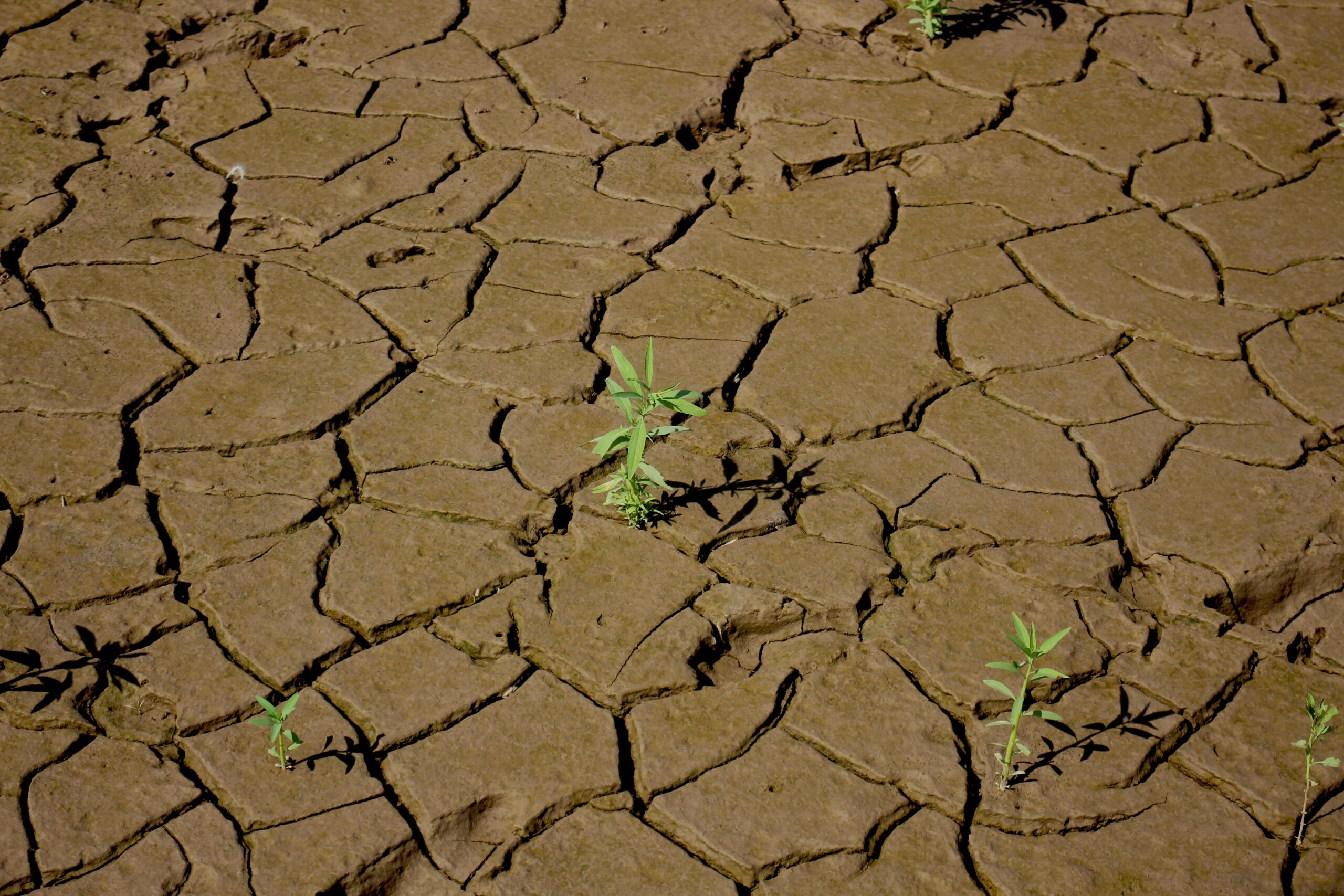
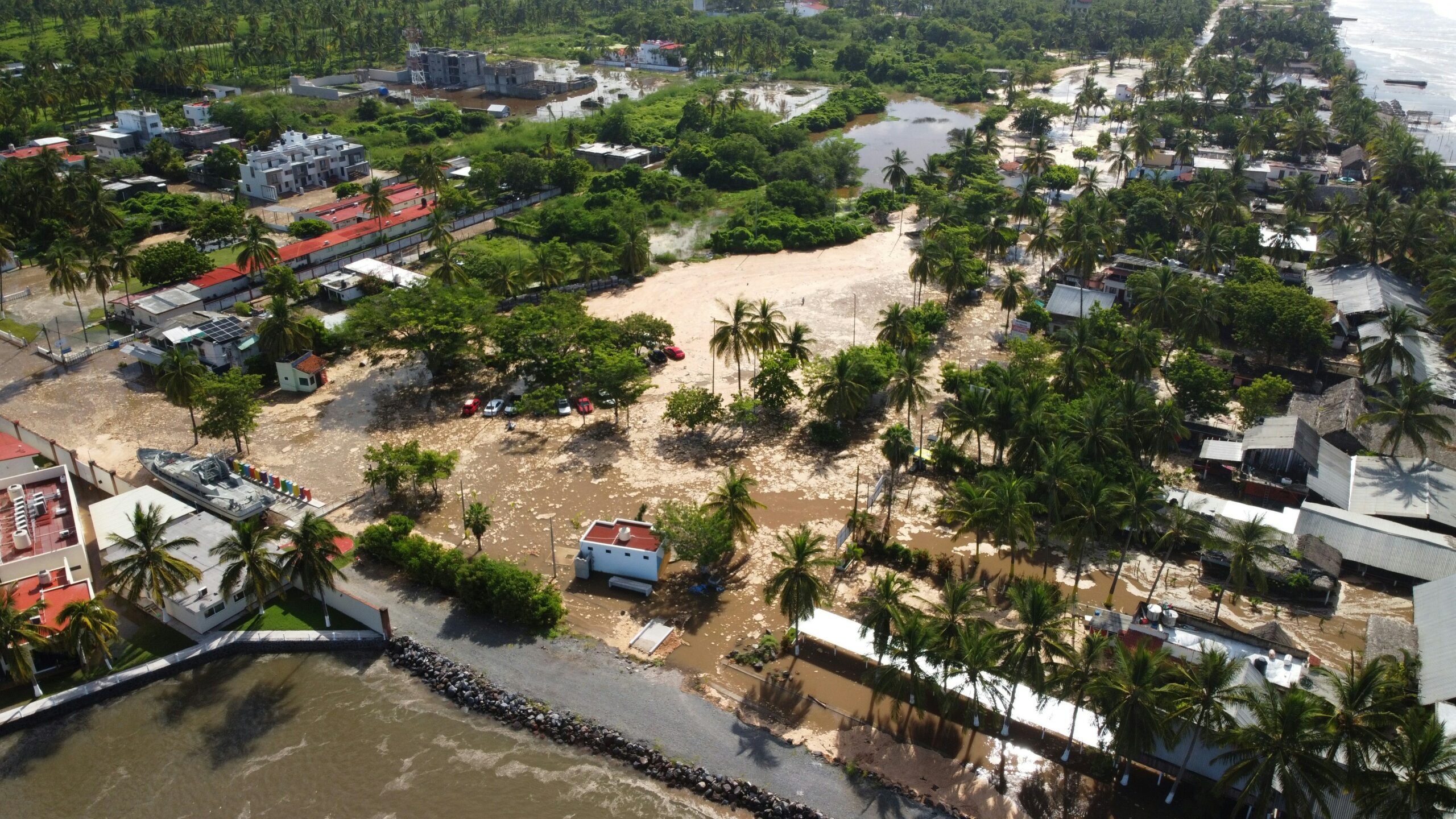
The humanitarian impact of delayed action is already evident and rapidly intensifying. Recent devastating heatwaves in South Asia, record flooding across Europe, and prolonged droughts in the Horn of Africa underscore the reality that climate change is no longer a future threat but a present crisis.
Professor Kenneth Holt, a lead author on biodiversity and climate impact, noted the severe pressure on natural systems. “The speed at which temperatures are rising is outstripping the adaptive capacity of both human communities and ecosystems,” Holt explained. “Protecting fragile environments like rainforests and coral reefs is crucial, as they serve as vital carbon sinks that help maintain planetary stability.”
Mobilizing for a Resilient Future
The window for effective action is rapidly closing, demanding a scale of international cooperation not seen since the post-war era. Climate leaders argue that success hinges on transparency, accountability, and the embedding of climate resilience into every sector—from urban planning and agriculture to public health.
The global community has a moral and strategic imperative to accelerate the transition. Immediate, impactful policy decisions today will define the quality of life—and the security—of generations to come. Failure to act decisively now guarantees increasingly severe environmental and economic upheaval. The next few years represent the critical inflection point for global climate stability.