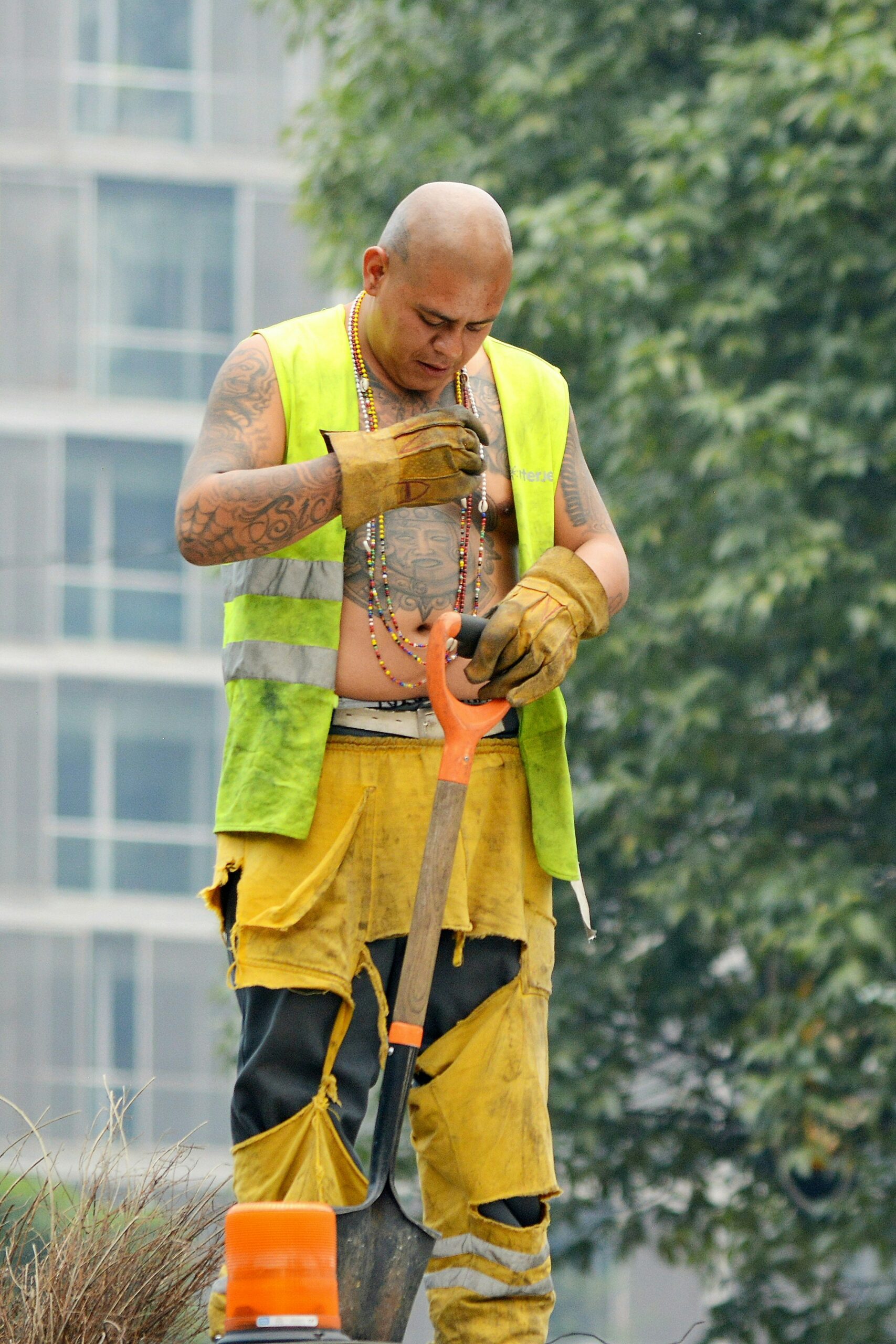
A burgeoning global crisis of extreme heat is increasingly imperiling the health and productivity of the millions of people who work outdoors, demanding urgent strategic and policy shifts from governments and businesses worldwide. As climate change pushes temperatures to historic highs, outdoor laborers—from construction workers and farmers to delivery drivers and sanitation crews—are facing unprecedented risks of heatstroke, chronic kidney damage, and other severe health complications, prompting international bodies to call for mandatory protections.
Rising Temperatures Demand Immediate Worker Protections
The nexus between rising ambient temperatures and occupational safety is becoming starkly clear. Data compiled by organizations like the International Labour Organization (ILO) shows that heat stress significantly lowers working capacity and dramatically increases the rate of on-the-job accidents due to fatigue and impaired cognitive function. Economically, this translates into billions of lost working hours annually, particularly in the Southern Hemisphere and tropical regions, severely impacting sectors crucial to global supply chains like agriculture and infrastructure development.
Experts contend that current occupational safety standards, often developed for moderate climates, are proving insufficient against sustained, extreme heat waves. Dr. Anya Sharma, an environmental epidemiologist specializing in climate vulnerability at the London School of Hygiene and Tropical Medicine, noted that preventative measures must move beyond simple hydration reminders.
“We are past the point where employers can rely solely on workers self-regulating their exposure,” Dr. Sharma explained in an exclusive interview. “Extreme heat demands mandatory, engineering-level adjustments: codified cooling breaks, adjusted shift times to avoid peak afternoon sun, and readily accessible, climate-controlled rest areas. Protecting a worker’s health is no longer just ethical; it’s an economic imperative.”
Implementing Effective Heat Management Strategies
Governments in high-risk zones, including parts of South Asia, the Middle East, and the American Southwest, are beginning to implement or mandate “heat safety standards.” These standards typically include provisions for acclimatization protocols for new employees, detailed emergency response plans for heat illness, and requirements for adequate access to shade and potable water.
For businesses, proactive heat management involves shifting operational paradigms. Key strategies being adopted globally include:
- Adjusting Work Schedules: Implementing early morning and late evening shifts to avoid the most intense heat between midday and 4 PM.
- Mandatory Rest Cycles: Codifying paid, mandatory rest and recovery breaks in cool, shaded, or air-conditioned areas.
- Engineering Controls: Utilizing mechanical cooling tools, misting systems, and improved ventilation, especially on construction sites.
- Enhanced Training: Providing comprehensive training to supervisors and workers on recognizing the early signs of heat exhaustion and stroke.
The human element remains central to this challenge. Reports from workers in agricultural sectors highlight the immense pressure to meet quotas, often forcing them to bypass recommended rest breaks. Advocates emphasize the need for labor laws to firmly penalize employers who fail to provide a safe work environment under extreme conditions, ensuring that productivity goals do not supersede worker safety.
Looking ahead, integrating climate resilience into urban planning and infrastructure development will be paramount. This includes planning for widespread accessible cooling centers and investing in passive cooling solutions like green spaces and reflective surfaces, which can collectively reduce localized ambient temperatures and provide refuge for those who contribute essential labor to the global economy. Failure to act now risks a substantial deterioration of public health and massive economic disruption as climate temperatures continue to climb.