Climate change is rapidly reshaping agricultural landscapes worldwide, presenting unprecedented challenges to global food security and forcing rapid adaptation within farming communities and government agencies, according to numerous recent climate assessments. This accelerating crisis, marked by extreme weather events and shifting temperature patterns, directly threatens crop yields and livestock health across vital growing regions, prompting urgent calls for sustainable agricultural reforms and increased resilience investment.
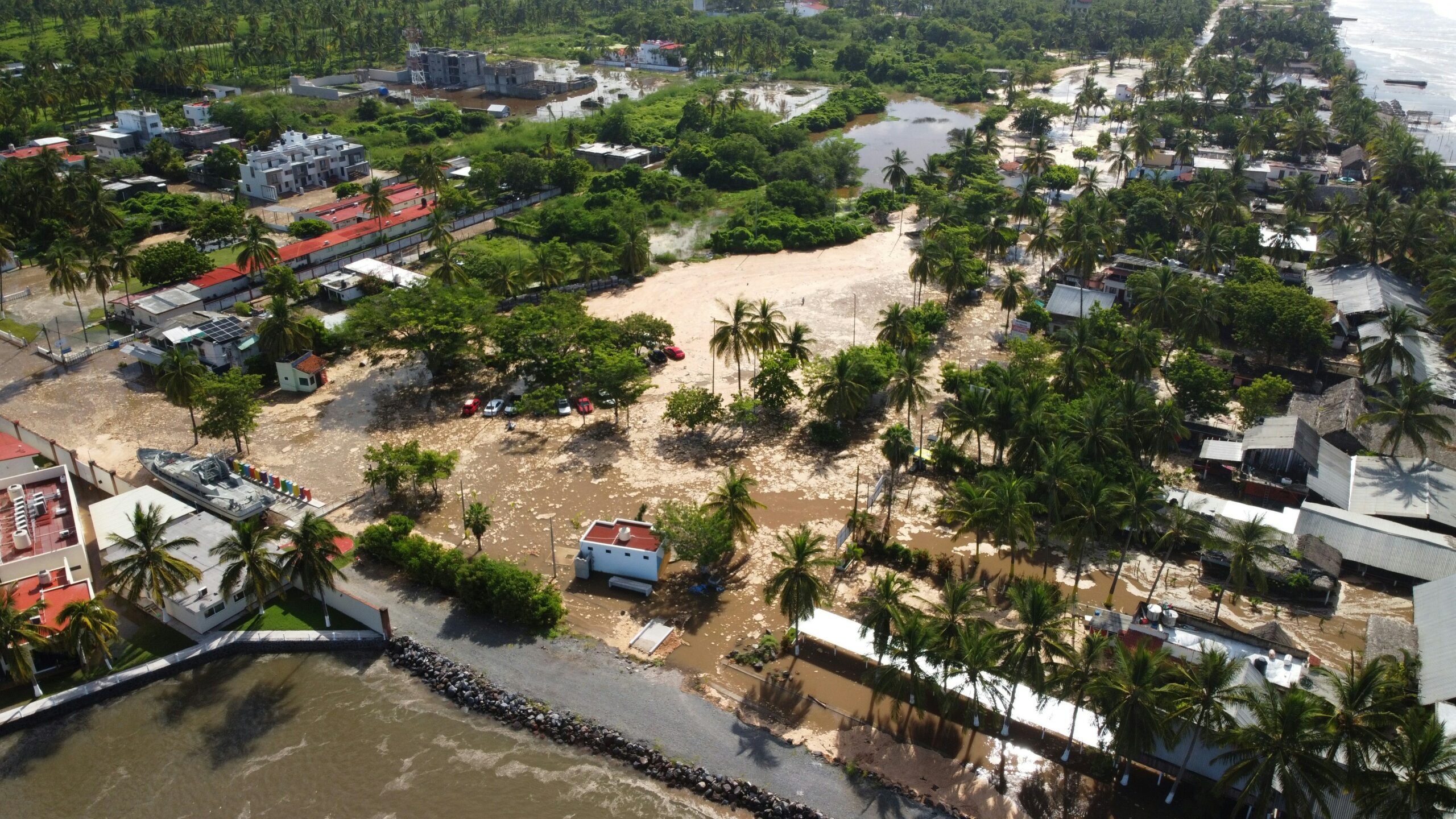
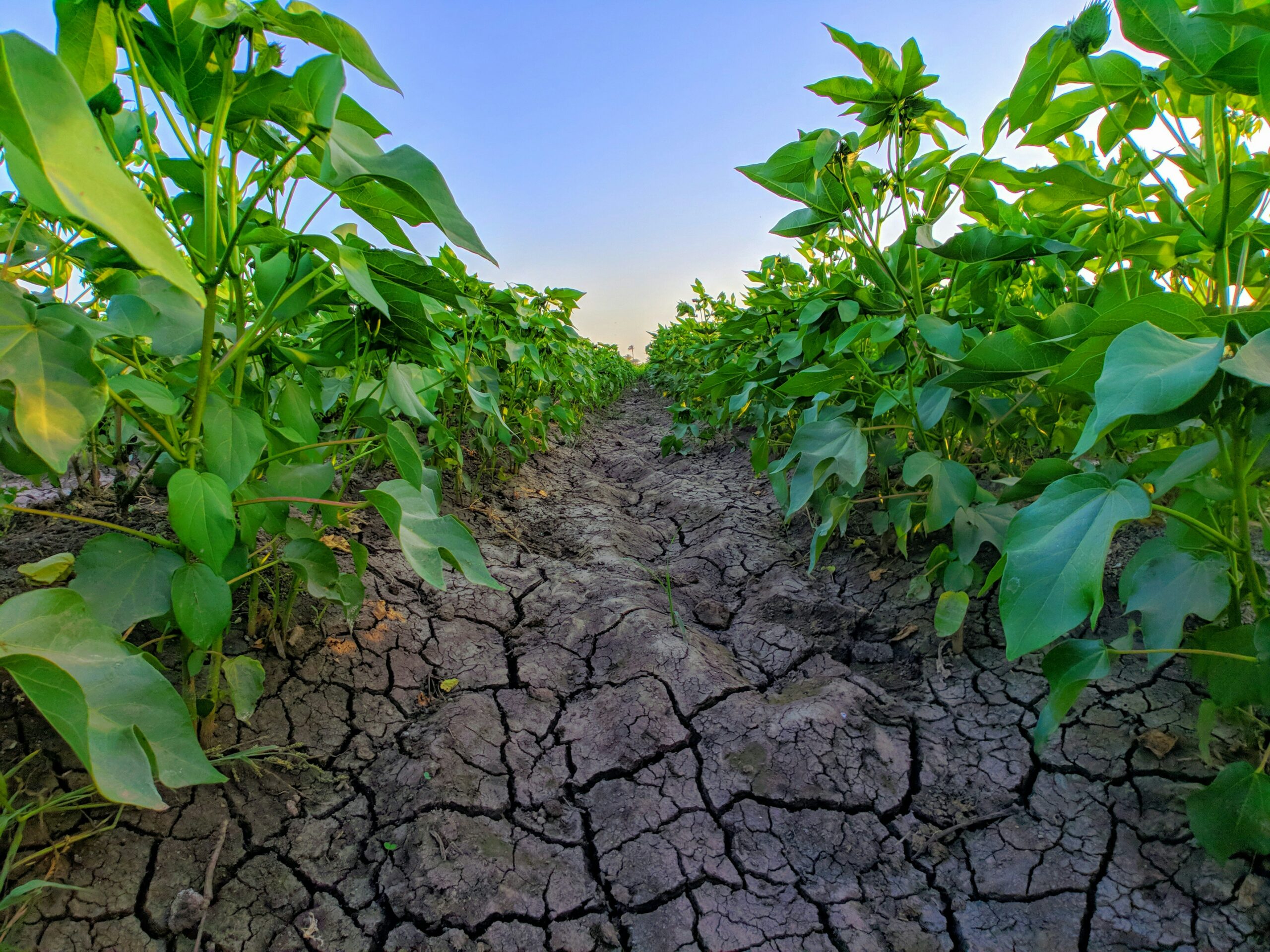
The repercussions of a warming planet are becoming increasingly visible in agricultural output. Rising temperatures reduce the arable land suitable for traditional staple crops like maize and wheat, particularly in equatorial and sub-equatorial zones already grappling with poverty and resource scarcity. Simultaneously, the frequency and intensity of extreme weather phenomena, including prolonged droughts and catastrophic floods, destroy harvests, deplete soil quality, and disrupt essential farming cycles. For example, recent severe monsoon variability in South Asia has decimated rice paddies, affecting the livelihoods of millions and driving up commodity prices globally.
Experts emphasize that the impact is not uniformly distributed. Developing nations, many of which rely heavily on rain-fed agriculture and possess limited infrastructure for irrigation or seed banks, are disproportionately affected. Dr. Anya Sharma, a lead researcher at the International Centre for Climate Resilience, notes, “We are seeing a cruel feedback loop where marginal farming communities, those least responsible for historical emissions, are bearing the brunt of the instability. Their traditional knowledge systems are being overwhelmed by climate variability they’ve never encountered.”
Adapting to an Unpredictable Climate
To mitigate the accelerating risks, actionable strategies are concentrating on enhancing agricultural resilience and sustainability. One critical area is the adoption of climate-smart agriculture (CSA) techniques. These methods aim to sustainably increase productivity, enhance resilience (adaptation), and reduce greenhouse gas emissions (mitigation).
Key elements of mandated CSA practices include:
- Improved Water Management: Implementing precision irrigation technologies and adopting drought-resistant water harvesting methods.
- Biodiversity Enhancement: Utilizing diverse crop rotations and maintaining soil health through agroforestry and reduced tillage.
- Genetic Resilience: Developing and deploying heat- and drought-tolerant crop varieties through advanced research and seed distribution programs.
Furthermore, integrating advanced technology such as remote sensing and predictive modeling allows farmers to anticipate weather threats and optimize planting and harvesting schedules. Governments and international organizations are increasingly being urged to prioritize investment in early warning systems and strengthen farmer access to affordable crop insurance schemes.
The implications extend far beyond the farm gate. Reduced domestic output drives up importation needs and consequently global food prices, directly impacting household budgets, especially for low-income families. The resulting food insecurity often exacerbates political instability and migration pressures, highlighting the multifaceted nature of the climate-food nexus.
Moving forward, sustained international cooperation is essential to finance the necessary transition to resilient food systems. While technology provides powerful tools, ensuring equitable access to resources, knowledge, and stable market environments remains the foundational requirement for securing the future of the global food supply in the face of persistent climate stressors. Failure to act decisively on adaptation measures risks widespread humanitarian crises and enduring economic instability.