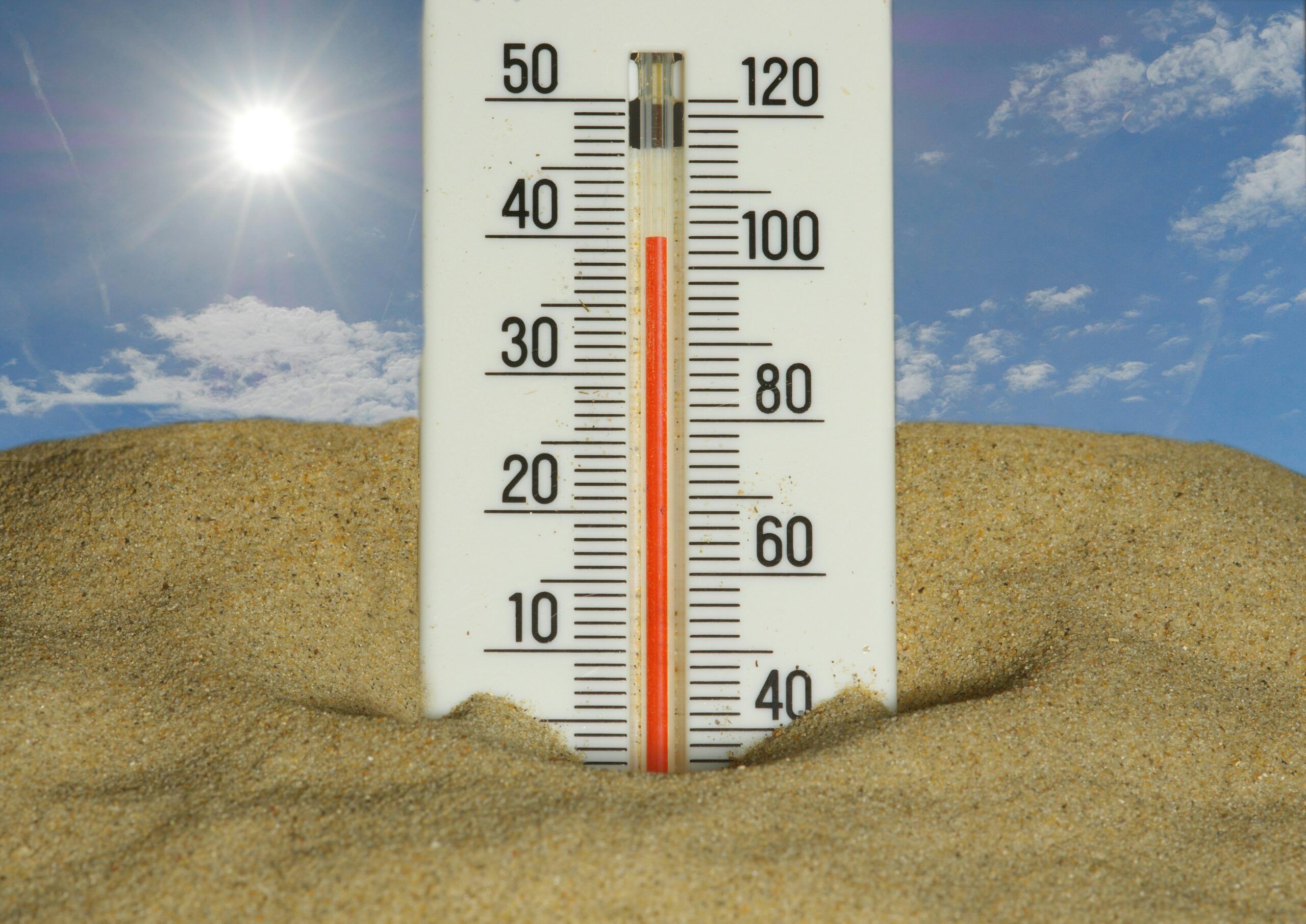
The planet registered unprecedented surface temperatures last month, according to major international climate monitoring agencies, continuing a worrying trend that places 2024 firmly on a trajectory for new annual warmth records. Data released simultaneously by the US National Oceanic and Atmospheric Administration (NOAA), NASA, and the European Union’s Copernicus Climate Change Service confirms that May experienced the highest global average temperature ever recorded for that specific month, surpassing the previous peak set just last year. This consistent breaking of heat records heightens concerns among scientists regarding the accelerated pace of climate change and the immediate need for robust global mitigation strategies.
A Decade of Extreme Warmth
The latest figures reveal that May 2024 was approximately 1.5 degrees Celsius above pre-industrial levels (1850-1900), marking the twelfth consecutive month that global average temperatures have reached record highs for their respective time periods. While the persistent El Niño weather pattern—a natural warming phenomenon in the Pacific Ocean—contributed to the elevated temperatures, experts emphasize that human-induced greenhouse gas emissions remain the fundamental driver of the long-term trend.
The heat was not distributed evenly; specific regions endured particularly intense conditions. Swaths of Southeast Asia, Mexico, and South America reported devastating heatwaves, while the global ocean surface also registered exceptional warmth. The persistent heating of the oceans is critical, as they absorb over 90% of the excess heat trapped by greenhouse gases, leading to coral bleaching, sea-level rise, and disruption of marine ecosystems.
Climate scientists are increasingly vocal that these record-shattering months are not merely statistical anomalies. Dr. Sarah Chen, a leading atmospheric physicist not affiliated with the monitoring agencies, suggests the scientific community is now witnessing a “clear and undeniable acceleration.” “We used to talk about climate change in terms of decades,” Dr. Chen noted. “Now, we are seeing the effects manifest year-on-year, pushing natural systems to their limits.”
Impacts and Implications for Global Policy
The ramifications of increasingly warmer years are far-reaching, affecting public health, food security, and infrastructure. Extreme heat exacerbates respiratory and cardiovascular illnesses, particularly among vulnerable populations. Furthermore, prolonged drought conditions threaten agricultural yields, driving up food prices and potentially contributing to geopolitical instability.
To address this escalating crisis, emphasis has shifted from long-term sustainability goals to immediate adaptation measures alongside rapid emission cuts. Key areas for action include:
- Renewable Energy Transition: Accelerating the shift away from fossil fuels in power generation and transportation.
- Urban Resilience: Implementing “cooling centers,” increasing urban tree canopy cover, and utilizing reflective materials in cities to combat the urban heat island effect.
- International Cooperation: Ensuring that commitments made under the Paris Agreement are not only met but significantly exceeded by major industrial nations.
The sustained record heat strongly suggests that 2024 is highly likely to eclipse 2023 as the hottest year on record, solidifying this period as the warmest era in modern human history. This data serves as a compelling, urgent reminder for policymakers and the public that the window for effective climate intervention is rapidly closing, demanding immediate and ambitious action to stabilize the global climate system. Failure to act swiftly will inevitably lead to more intense heat, greater disruptions, and higher costs for societies worldwide.