Global leaders and policymakers are preparing for the next crucial round of climate negotiations, amid mounting scientific consensus that current national commitments are dangerously insufficient to limit global warming to 1.5 degrees Celsius above pre-industrial levels. This upcoming conference, often referred to as a Conference of the Parties (COP), represents a pivotal moment, demanding significantly accelerated action on reducing greenhouse gas emissions, increasing climate finance for vulnerable nations, and establishing a clear framework for adaptation strategies to avert catastrophic environmental and economic upheaval.
The urgency stems from repeated data showing that despite pledges made under the landmark Paris Agreement, the trajectory of global emissions remains high. Experts warn that a persistent gap exists between the promises countries have made—known as Nationally Determined Contributions (NDCs)—and the level of cuts required to stabilize the climate system within relatively safe boundaries. Should this gap fail to close rapidly, the world risks exceeding key tipping points, leading to irreversible damage such as runaway sea-level rise and extreme weather events of unprecedented frequency and intensity.
Bridging the Action and Finance Deficits
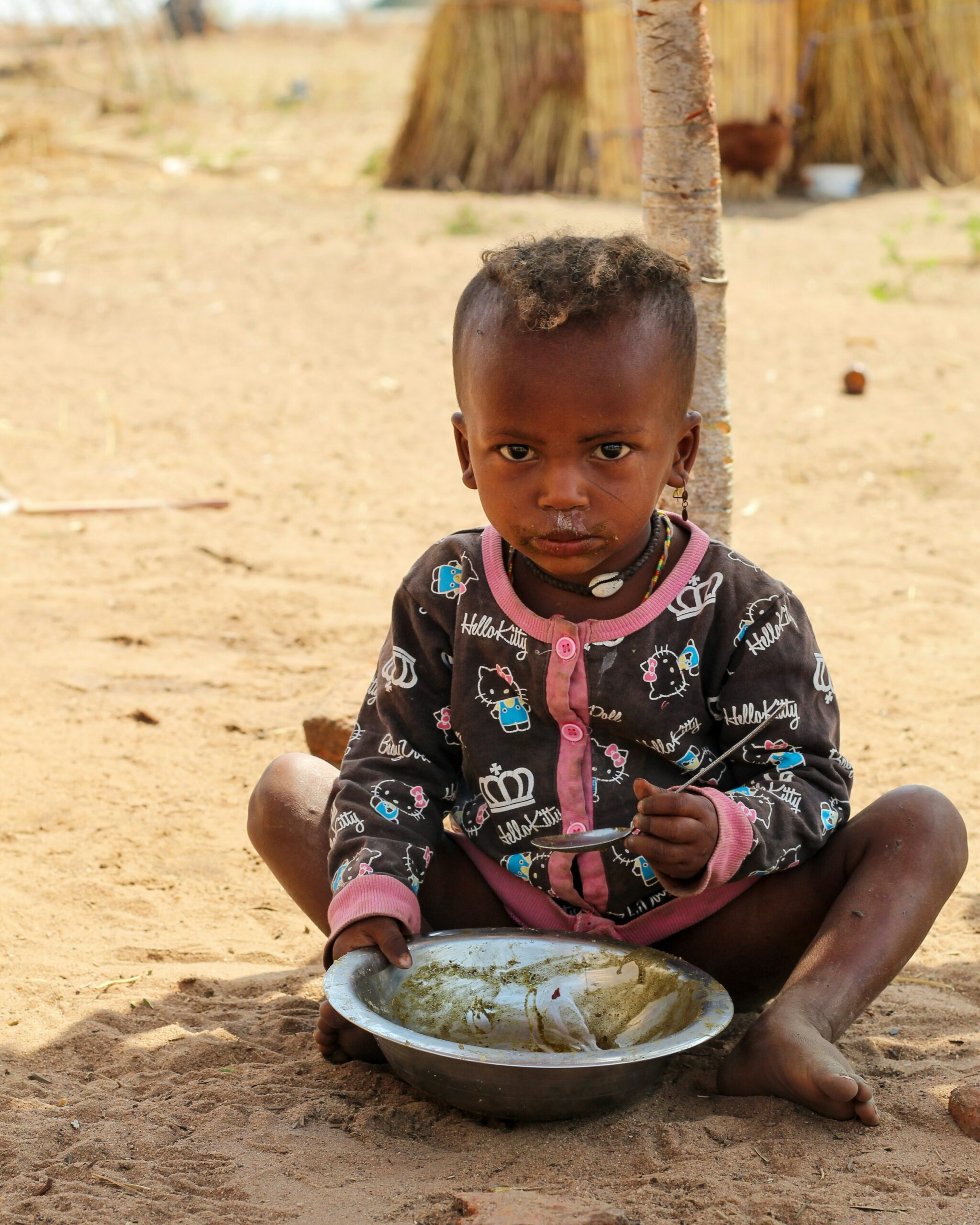
A major sticking point in previous negotiations has been the provision of climate finance. Developed nations have historically failed to meet the pledged annual target of $100 billion to help developing countries transition to clean energy and cope with the impacts of climate change. This failure erodes trust and hinders the willingness of emerging economies, which often face the dual challenges of poverty alleviation and climate vulnerability, to commit to more ambitious climate targets themselves.
Furthermore, discussions are increasingly focused on operationalizing the Loss and Damage Fund—a mechanism agreed upon to provide financial support to the most vulnerable nations already suffering the irreversible consequences of climate change, such as devastation from large-scale floods or droughts. Defining who pays into this fund and how the resources will be distributed equitably remains a central political and ethical challenge.
Policymakers face pressure not just to make new commitments, but to demonstrate tangible progress on older ones. A central demand from climate activists and vulnerable states is for a “ratchet mechanism”—a process that forces countries to periodically review and enhance their NDCs, ensuring they are always moving toward the 1.5°C goal.
The Role of Fossil Fuels and Renewable Energy Adoption
Central to achieving the needed cuts is a clear global agreement on the phase-out of fossil fuels. While language around “unabated” fossil fuels has been incorporated in past agreements, environmental groups and scientific bodies are pushing for more explicit and swift timelines for dramatically reducing the reliance on coal, oil, and gas. Successful outcomes often involve creating incentives and technologies that enable a just transition for communities reliant on the fossil fuel industry.
Conversely, the conference will highlight the monumental task of scaling up renewable energy adoption. Independent analysis suggests that tripling the global capacity of wind and solar power by the end of the decade is essential. This requires not only massive private and public investment but streamlined regulatory processes for grid modernization and cross-border energy cooperation.
The upcoming negotiations must serve as a high-stakes emergency summit. The rhetoric of ambition must translate into binding policy decisions and enforceable mechanisms to genuinely restrict warming this critical decade. Failure to act decisively now risks locking in a far hotter, more dangerous future for generations to come.