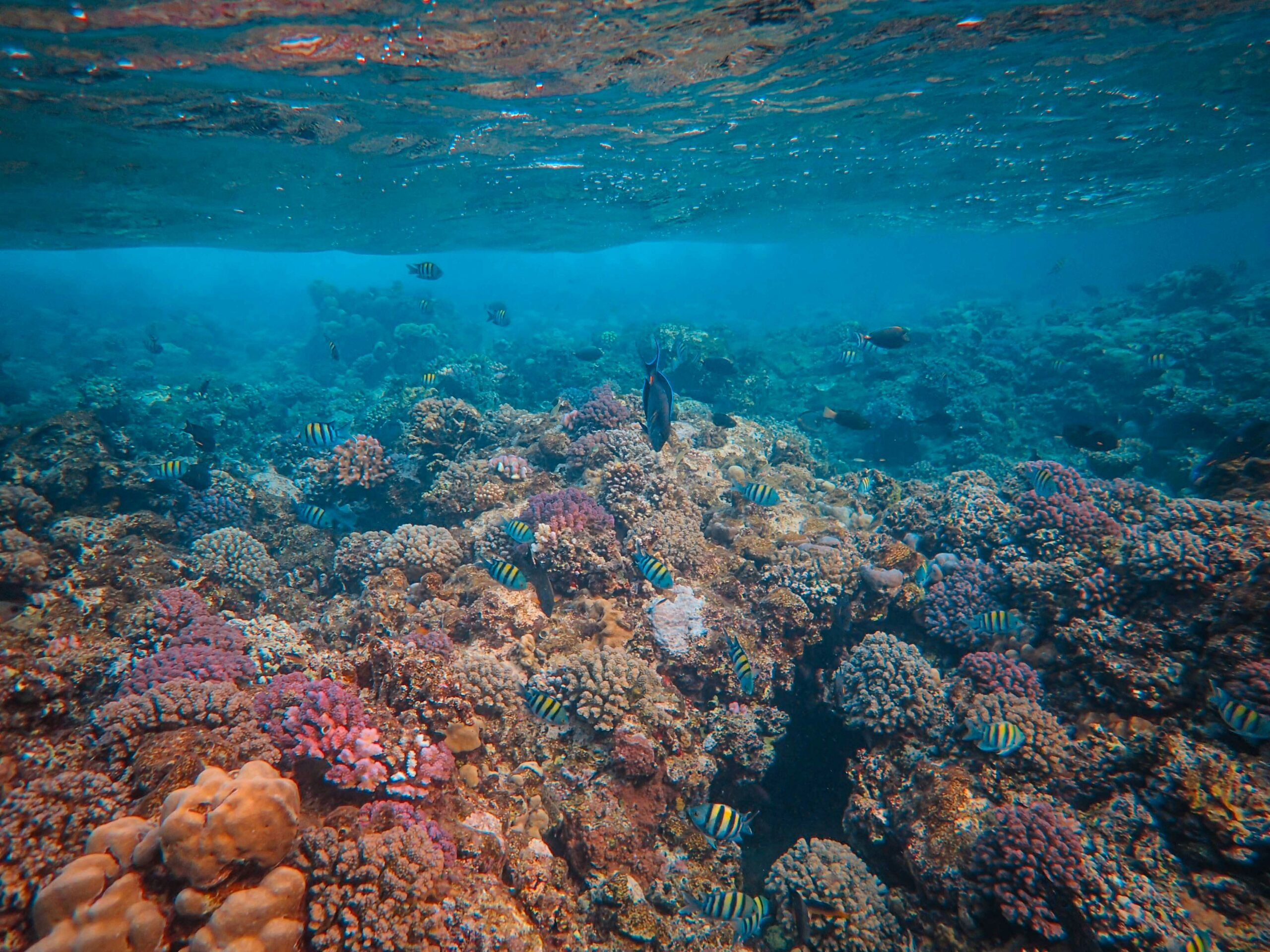
The global average surface temperature of the world’s oceans has surged to unprecedented levels this year, according to recent scientific monitoring, setting a worrying new benchmark that signals accelerating climate change and poses grave risks to fragile marine ecosystems and coastal communities worldwide. This sustained elevation above historical averages indicates a vast and escalating absorption of excess heat by the oceans, driving shifts in weather patterns, exacerbating extreme weather events, and immediately diminishing the health and biodiversity of marine life across the tropics and beyond.
Ocean Heat Index Continues Upward Trend
Scientists tracking ocean heat content report that the sustained warming trend observed throughout the current year has pushed the average daily sea surface temperature into uncharted territory. Data compiled by international climate agencies reveal that February marked a significant inflection point, and temperatures have consistently remained elevated, surpassing previous records set in earlier years. This pervasive warming is not limited to specific regions but is being recorded across the major ocean basins, from the North Atlantic to the Southern Ocean, suggesting a global phenomenon driven primarily by the high concentration of greenhouse gases in the atmosphere.
The deep ocean acts as a critical heat sink for the planet, absorbing more than 90% of the excess heat trapped by human-induced emissions. However, the speed and scale at which this heat is now accumulating are alarming experts. When the surface layer heats up so rapidly, it triggers immediate consequences for marine organisms.
The most immediate and visible impact is the increased frequency and severity of marine heatwaves. These prolonged periods of abnormally warm water can quickly stress or kill sensitive species. Coral reefs, often described as the rainforests of the sea, are particularly vulnerable.
Marine biologists are witnessing widespread coral bleaching events globally. When water temperatures exceed a narrow tolerance threshold, corals expel the symbiotic algae (zooxanthellae) living in their tissues, causing them to turn white and making them susceptible to disease and mass die-offs. The loss of coral reefs is devastating, as they provide essential habitat and sustenance for a quarter of all marine species and protect coastlines from storm surges.
Threats to Fisheries and Weather Stability
Beyond biodiversity loss, the elevated sea surface temperatures carry profound economic and meteorological implications. Warmer waters are fundamentally altering the distribution of fish stocks. Many species are migrating towards cooler, deeper waters or higher latitudes to maintain their optimal thermal range.
“The rapid thermal changes we are observing require immediate adaptation strategies for fishing communities,” notes Dr. Elena Rodriguez, a climate oceanographer with the World Meteorological Organisation. “Fishers operating in traditional grounds may find their catches declining precipitously, necessitating shifts in management and governance.”
Furthermore, the excess heat energy stored in the oceans fuels more intense rainfall and more powerful tropical cyclones and hurricanes. Warmer sea surfaces provide greater moisture and energy for developing storm systems, increasing the risk of devastating impacts on low-lying coastal areas. This is particularly relevant as the primary season for massive storms approaches in both the North Atlantic and Pacific basins.
Urgent Call for Climate Action
The continuous breaking of ocean temperature records serves as a stark reminder of the urgent need for deeper global commitments to curb greenhouse gas emissions. While scientists continue to model and monitor these drastic environmental changes, policy responses must focus on both mitigation and resilience.
Coastal nations face the immediate challenge of protecting vulnerable infrastructure and developing sophisticated warning systems for marine heatwaves and intensified weather. Efforts to restore resilient ecosystems, such as heat-tolerant coral species, are gaining traction but cannot compensate for the continued release of heat-trapping gases.
The stability of the global climate system intrinsically depends on the health of the oceans. Sustained record warmth means that communities, economies, and life beneath the waves are entering a new, less predictable climatic era, requiring proactive and immediate global collaboration.