The planet is enduring a summer of unprecedented heat, with global average temperatures for July 2023 projected to shatter all previous records, according to mounting scientific estimates. This extreme climatic event, surpassing even the widely held benchmarks of the 2016 and 2019 El Niño years, is sounding alarm bells among climate scientists and meteorological agencies worldwide, signaling a potentially accelerated phase of human-induced climate change.
A Month of Historic Mean Temperatures
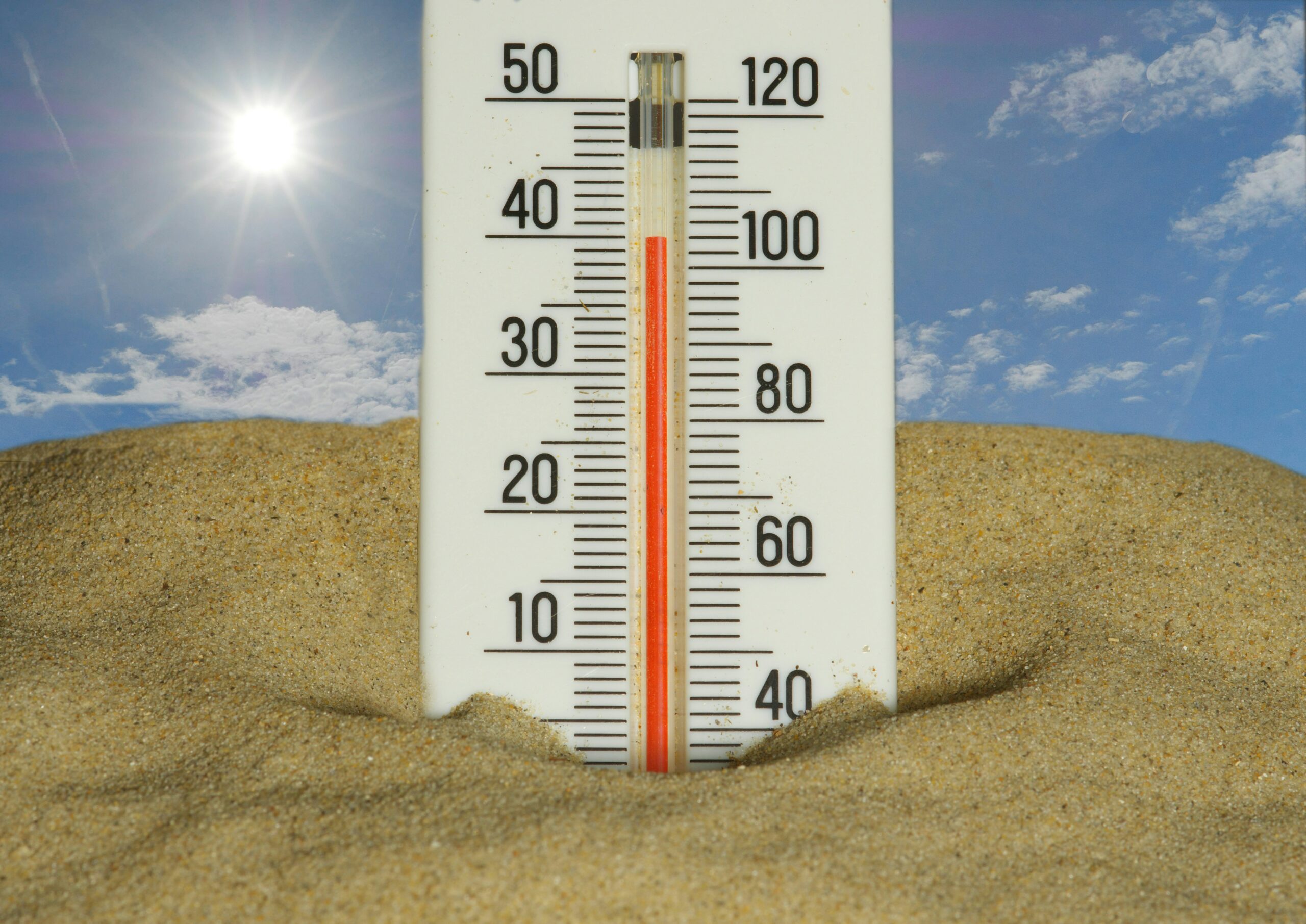
Preliminary data compiled by leading climate monitoring bodies suggests that the mean global temperature for July 2023 has consistently exceeded daily records established since comprehensive record-keeping began in the mid-19th century. Early indicators point to July 6th as potentially the single hottest day ever recorded, contributing to an overall monthly average that positions 2023 firmly ahead of the hottest previous Julys. This new peak follows a June that was also confirmed as the warmest globally since 1850.
The dramatic spike is attributed to two primary factors: the continuous, long-term warming trend driven by the emission of greenhouse gases, combined with the incipient stages of an El Niño weather pattern in the Pacific Ocean. While El Niño naturally elevates global temperatures, the speed and intensity of this current record-breaking warmth far outstrip natural variability, underscoring the dominant influence of human activity.
Dr. Sarah Chen, a senior climate modeling expert at the World Meteorological Organization (WMO), emphasized the gravity of the data. “We are seeing a convergence of forces that is manifesting in previously theoretical extreme figures,” Dr. Chen stated in a recent briefing. “This isn’t merely a statistical anomaly; it is the observable, real-time acceleration of the climate crisis impacting public health, agriculture, and infrastructure globally.”
Widespread Impacts and Vulnerabilities
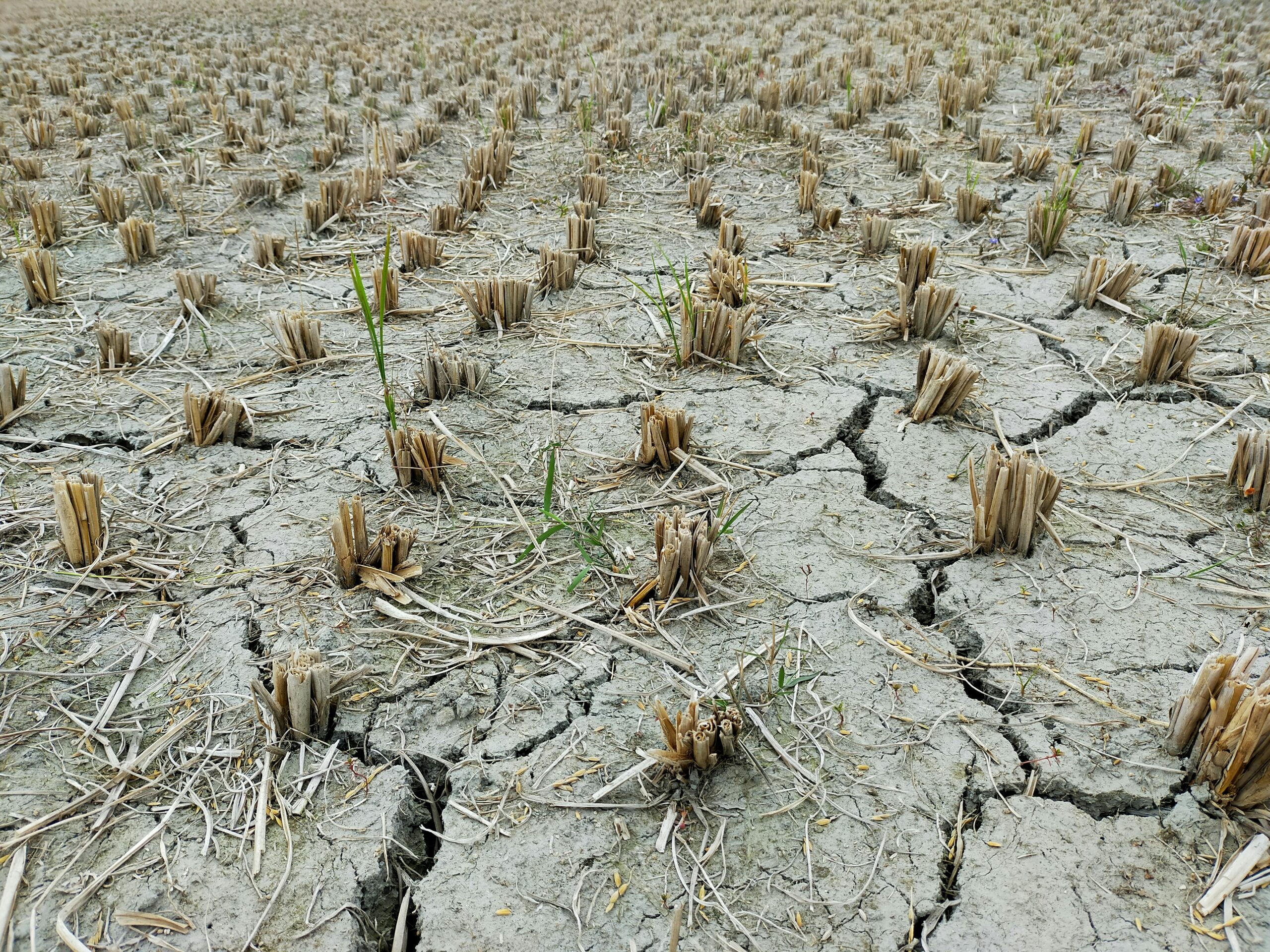
The excessive heat has triggered cascading environmental and societal consequences across multiple continents. North America, Europe, and Asia have experienced relentless and damaging heatwaves, translating into severe droughts, unprecedented wildfires—notably devastating blazes in Canada and Southern Europe—and significant disruptions to key global trade routes.
Key Consequences of the July Heat Spikes:
- Public Health Crisis: Heat-related illnesses and mortality have spiked, particularly among vulnerable populations such as the elderly, young children, and outdoor workers.
- Agricultural Stress: Essential crop yields, including staple grains and produce, face significant stress from protracted high temperatures and lack of water, raising concerns about global food security and commodity prices.
- Ecosystem Disruption: Oceanic heatwaves are leading to severe coral bleaching events, while terrestrial ecosystems face irreversible biodiversity loss threats.
Beyond the immediate crisis, the July figures strengthen scientific predictions regarding the rapid approach of the 1.5°C global warming benchmark set by the Paris Agreement. Should the Earth continue its current warming trajectory, breaching this critical threshold permanently could occur sooner than prior estimates projected.
Looking Ahead: Adaptation and Mitigation
The extreme heat of July 2023 serves as a stark reminder of the urgent need for both aggressive climate mitigation—the rapid reduction of fossil fuel dependency—and enhanced adaptation strategies. Urban planning efforts must prioritize green infrastructure and cooling centers, while public health systems require comprehensive preparedness for recurring, intense heat events.
Policymakers face renewed pressure to solidify commitments made at international summits and to invest substantially in renewable energy solutions. The scientific consensus is clear: without immediate, transformative global action, the record-shattering heat of this summer will soon become the global norm. Citizens and governments alike must internalize this data point to drive necessary, long-term systemic change crucial for climate resilience.