• Major Asian Music Awards Proceed, Offering Support After Hong Kong Tragedy

    Major Asian Music Awards Proceed, Offering Support After Hong Kong Tragedy

    The highly anticipated 2025 MAMA Awards proceeded in Hong Kong as scheduled tonight, albeit with significant modifications aimed at honoring the victims of the recent devastating Grade 5 fire at Tai Po Wang Fuk Court. The organizing committee canceled the traditional red carpet event, incorporated a moment of silence into the ceremony, and announced a substantial HK$20 million donation to the government-established Tai Po Wang Fuk Court Assistance Fund to aid affected families.

    Held at the Kai Tak Sports Park Main Stadium, the prestigious South Korean music awards show commenced with host Park Bo-gum addressing the somber reason for the subdued atmosphere. Dressed in a black suit, Park expressed deep condolences for the victims of the fire, a tragedy that recently shocked the city. He then explained the decision to move forward with the large-scale event, stating, “We deeply mourn,” but emphasized that the show continued because organizers “believe that music brings hope to people, and most importantly, we support Hong Kong.” Park subsequently invited the entire audience to observe a moment of silence for those lost.

    The MAMA Awards, known globally for celebrating achievements in Asian music, adapted its format to integrate both high-profile entertainment and community solidarity. The visual presentation of the event, which was simultaneously live-streamed on the HBO Max platform, included a clear message of support: the phrase “Supporting Hong Kong” was prominently displayed beneath the MAMA logo throughout the broadcast. This decision signaled a proactive effort by the global entertainment franchise to stand alongside the local community during a period of recovery.

    The Tai Po Wang Fuk Court fire, classified as a severe Grade 5 incident, resulted in multiple fatalities and tremendous loss for numerous local households. The substantial financial contribution of HK$20 million from the awards committee is earmarked for direct support through the dedicated Assistance Fund, managed by the Hong Kong Special Administrative Region government. This funding is critical for helping the affected families with immediate needs, including temporary housing, medical expenses, and emotional support.

    The simultaneous execution of a major international entertainment event and a display of profound, localized empathy demonstrates a growing trend in global cultural programming. By choosing to hold the event while making tangible efforts to assist the affected local population, the MAMA Awards balanced its entertainment mission with a powerful message of humanitarian responsibility. The actions taken underscore the event’s commitment to its host city, ensuring the global spectacle did not overshadow the local tragedy but instead became a platform for solidarity and aid. Fans and industry professionals watched as the music industry took a direct, supportive stance following a community disaster.

  • Award-Winning Chef Showcases Hong Kong Diner’s Signature Claypot Noodles

    Award-Winning Chef Showcases Hong Kong Diner’s Signature Claypot Noodles

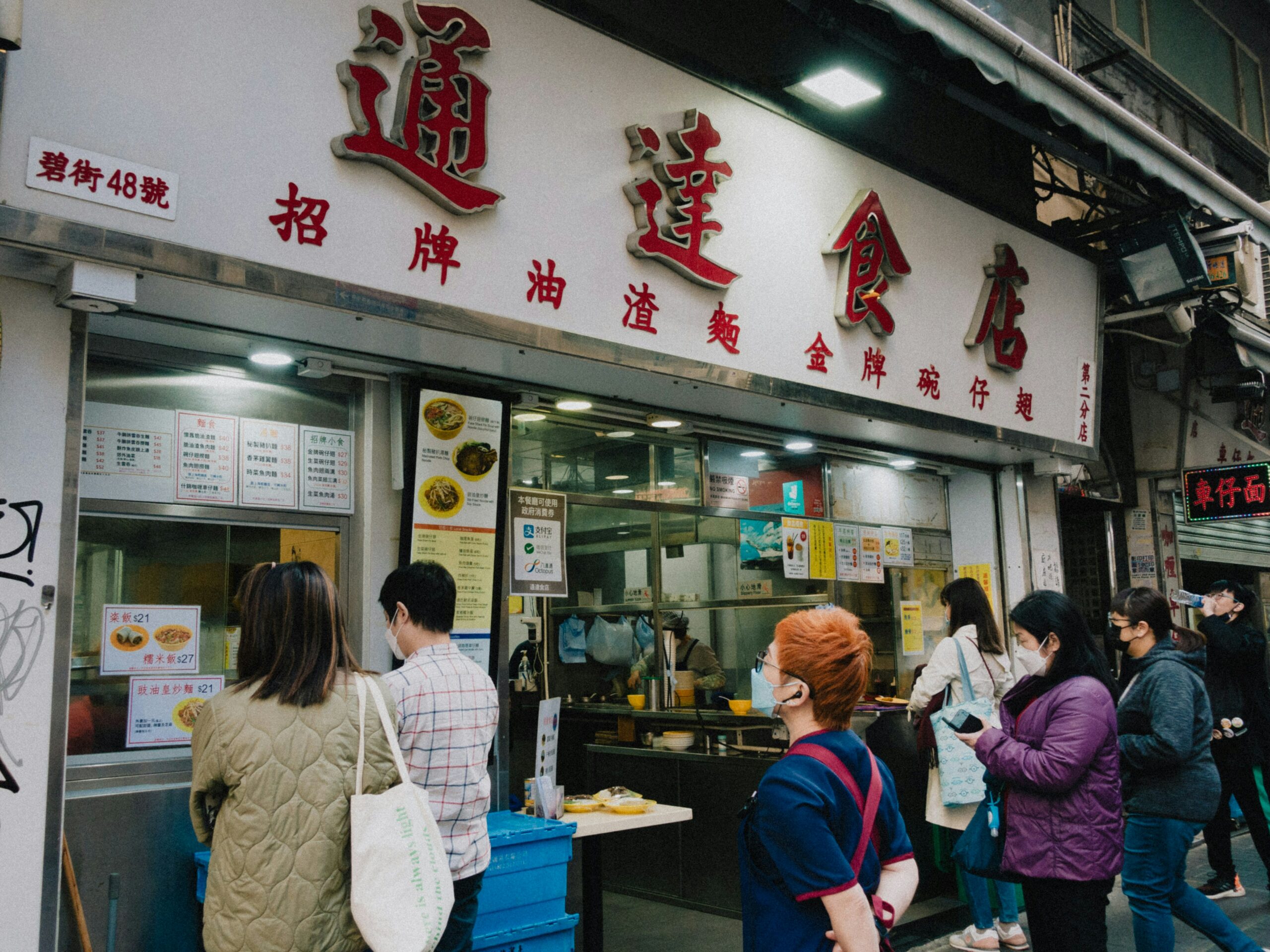
    Celebrity chef Christian Yang, often dubbed the “Magician of the Culinary World,” recently featured a local Hong Kong café in the latest episode of his TVB Plus food information program, Old Friends. Airing this past week, the segment spotlighted a renowned eatery in Tsz Wan Shan celebrated for two distinctive dishes: the Satay Beef Claypot Noodles and the Dried Golden Oyster and Shrimp Claypot Rice, both drawing patrons from across the region.

    Yang sampled the signature Satay Beef Claypot Noodles and expressed particular delight in its authentic Hong Kong flavor profile. “The first time I tasted this beef, I was genuinely excited,” Yang noted. “I wondered how it could be so tender and smooth—a sensory experience I haven’t found elsewhere.”

    The owner, identified only as Ray, revealed that the creation of the signature noodle dish was directly tied to the earlier public health crisis. During a period of fear and temporary closure, Ray sought to reassure his family. “I promised my brother and mother not to worry, stating that once we reopened, I would recover the lost revenue for that month,” Ray recollected. He began developing a new concept, recognizing the need for a common tea house item that could be elevated with unique characteristics. This led him to the satay beef noodles.

    Many customers had complained that widely available satay broths lacked depth. Ray found inspiration during a hotpot meal, deciding to intensify the flavor by concentrating a large satay soup base into a smaller, claypot portion to maximize the aroma. His search for the perfect satay paste led him to a distinguished spice merchant known as Sam, who agreed to collaborate. Together, they formulated a paste described by Yang as a pure Hong Kong style, “imbuing the flavors of seafood and peanuts, a perfect match.”

    The program also provided a glimpse into Ray’s early passion for cooking. His mother recounted a story from when Ray was just eight years old. During an afternoon tea rush when the main staff was preoccupied, a regular customer requested fried instant noodles. “Ray went into the kitchen and cooked the dish for the guest,” his mother explained. “And it was successful.”

    Ray’s other must-try item, the Dried Golden Oyster and Shrimp Claypot Rice, initially sparked internal debate. Ray admitted it caused the most significant family dispute regarding a single dish. “They worried the cost was too high,” he shared. “I asked them to let me try it out.” Fortunately, Ray’s maternal family ties to local oyster harvesting secured the supply chain and helped control costs. Because the dish is reportedly near break-even with each sale, the Golden Oyster Claypot Rice is offered in limited quantities daily. Despite the high operational cost, Ray successfully established it as a second hallmark dish, further cementing the eatery’s culinary reputation and drawing customers eager for the unique flavor combination.

    These dishes demonstrate how local entrepreneurs creatively adapt traditional fare, often influenced by external pressures like economic downturns or health crises, to capture new audiences while preserving authentic regional flavors.

  • Star Actress Delivers Emotional Depth in Gripping Corporate Drama

    Star Actress Delivers Emotional Depth in Gripping Corporate Drama

    The recent twelfth episode of the anticipated television series Queen of the News 2 captivated audiences on Sunday night, focusing on a pivotal emotional crisis confronting the lead character, anchorwoman Man-jie. Portrayed by the esteemed actress Charmaine Sheh, the episode follows Man-jie as a whistleblower incident involving a health supplement company triggers deeply suppressed psychological distress, compelling her to seek hypnotherapy to recover critical lost memories. This therapeutic intervention introduced a significant new character, Dr. Yeung Tsz-fei, her psychiatrist, played by the talented Kally Cheung, who previously starred in the crime drama Forensics 12.

    This collaborative performance marks the first time Sheh and Cheung have shared the screen, and their seemingly straightforward consultation scene achieved remarkable impact through intelligent directorial choices and subtle acting. The show’s production team utilized unconventional camera angles to heighten the emotional tension within the contained setting. Cheung’s portrayal of Dr. Yeung earned praise for its blend of professionalism and gentle demeanor, providing a compelling anchor for the scene.

    However, it was Sheh’s masterful command of emotional expression that underpinned the episode’s success. Her depiction of Man-jie’s vulnerability—her struggle against an inability to retrieve crucial memories and her acknowledgment of personal weakness—was rendered with stunning precision. A precisely timed tear drop, coupled with a look of profound helplessness and despair, resonated powerfully with viewers, eliciting widespread sympathy.

    Beyond the intensity of her vocal performance and eye contact, Sheh employed meticulous physical cues to articulate her character’s internal conflict. She repeatedly adopted a slightly crouched or retracted posture, effectively utilizing body language to convey a sense of powerlessness and emotional withdrawal. Furthermore, subtle movements, such as a slight furrowing of the brow or a reluctant shake of the head, illustrated Man-jie’s psychological resistance against being conquered by her inner turmoil.

    This detailed, nuanced performance successfully immersed the audience in the character’s emotional landscape, driving home the personal toll that high-stakes professional life can exact. The episode serves as a powerful reminder of the sophisticated acting caliber guiding contemporary television drama production, where emotional authenticity is key to engaging a modern viewership.

    Queen of the News 2 continues to draw critical and public attention for its blend of corporate intrigue and deep psychological exploration, setting a high standard for character-driven narratives in prime-time television.