• Blue Dragon Awards Defend Historic Win Amid Public Controversy

    Blue Dragon Awards Defend Historic Win Amid Public Controversy

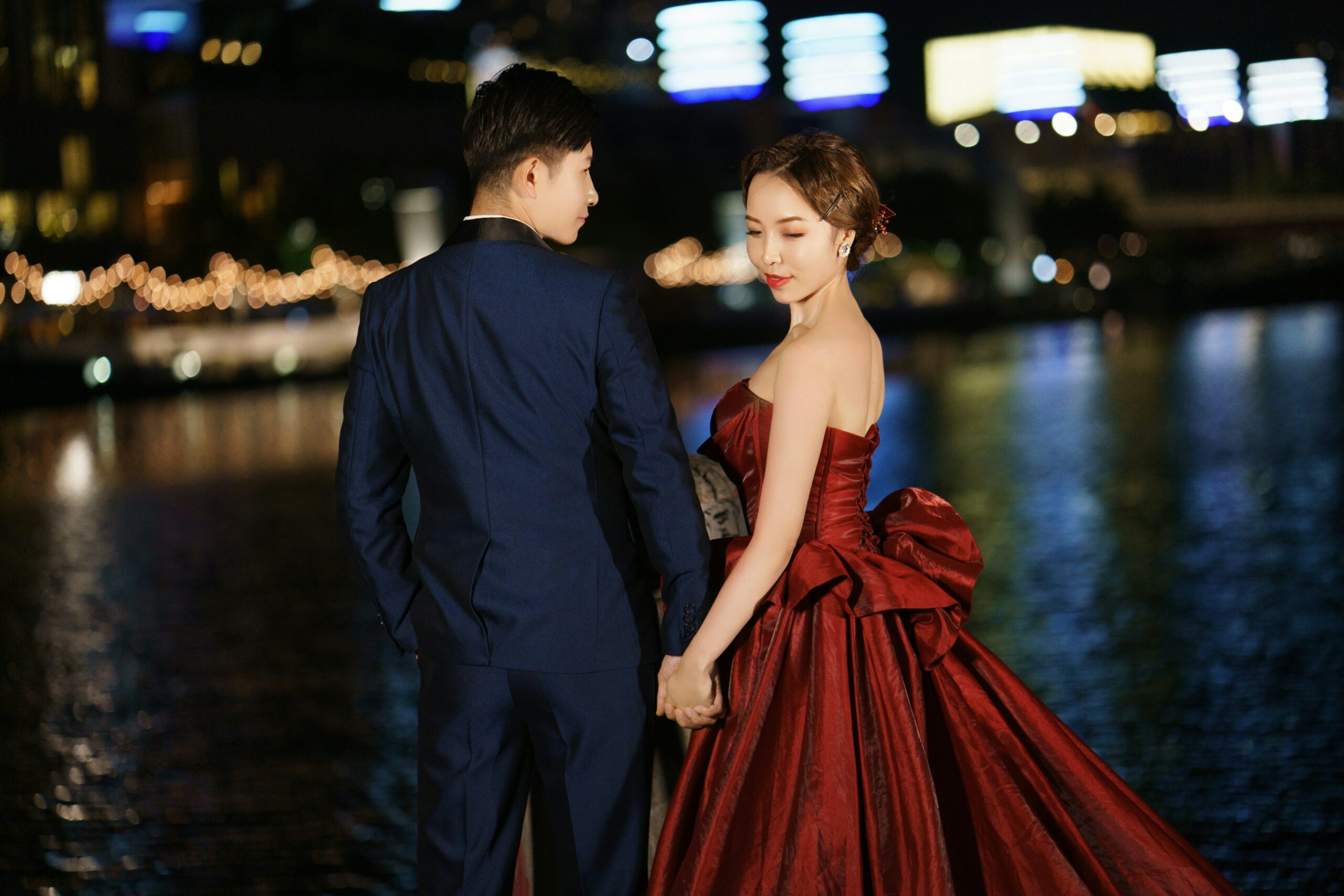
    The 46th Blue Dragon Film Awards concluded recently, making history as the first time a married couple secured both top acting honours in the same ceremony. Hyun Bin was crowned Best Actor for his role in Harbin, while his wife, Son Ye-jin, claimed Best Actress for Guilty Choice. This unprecedented sweep immediately became the main headline, but the celebration quickly turned controversial, prompting the organizing committee to release detailed voting data to assure the public of the awards’ impartiality.

    Following the event, both Korean media and online commentators sharply questioned the results, suggesting the wins were motivated more by a desire to create buzz than merit. Critics pointed to Son Ye-jin’s allegedly limited screen time in Guilty Choice and Hyun Bin’s performance being deemed less impactful than those of other nominees. The ensuing backlash accused the prestigious ceremony of sacrificing credibility to promote the celebrity couple, likening the awards night to a “private wedding reception.”

    Rigorous Voting Breakdown Reveals Close Contests

    Responding directly to claims of a predetermined outcome, the Blue Dragon Awards judging panel released the precise vote counts for the highly scrutinized Best Actor and Best Actress categories. The results showed both races were remarkably tight, particularly in the final rounds.

    In the Best Actress contest, the initial votes were distributed across five nominees:

    • Song Hye-kyo (Exorcist Black Nun): 0 votes
    • YoonA (My Neighbor is a Demon): 1 vote
    • Lee Jae-in (Supernatural Strike): 2 votes
    • Lee Hye-young (Virgin Killer): 3 votes
    • Son Ye-jin (Guilty Choice): 3 votes

    After eliminating the three lowest vote-getters, a second round pitted Son Ye-jin against veteran actress Lee Hye-young. Son Ye-jin ultimately prevailed with a score of 6 to 3. The judges specifically praised Son Ye-jin for her nuanced, groundbreaking portrayal in Guilty Choice, noting that her performance was crucial in advancing the plot and enhancing Lee Byung-hun’s storyline.

    Hyun Bin Narrows Gap in Final Vote

    The Best Actor category was equally competitive, with Hyun Bin securing his win through a dramatic comeback in the final ballot. The initial voting results were as follows:

    • Sol Kyung-gu (Conscience Storm): 0 votes
    • Lee Byung-hun (Guilty Choice): 1 vote
    • Jo Jung-suk (Taming My Zombie Daughter): 1 vote
    • Park Jeong-min (The Ugly Woman): 4 votes
    • Hyun Bin (Harbin): 3 votes

    After the bottom three were removed, the head-to-head final round saw Hyun Bin edge out Park Jeong-min, securing the trophy with 5 votes against Park’s 4. The consensus among the judges was that Hyun Bin displayed a powerful, commanding presence from the very first frame of Harbin, a strength that carried the entire narrative.

    The publication of this detailed voting data, a rare move for the awards committee, serves as a direct effort to restore public trust and demonstrate the rigorous and confidential process behind the final selections. While the controversy highlights the intensely scrutinized nature of high-profile entertainment awards, the judges maintain that their decisions reflect careful consideration of each performance’s artistic merit and cinematic impact, irrespective of the winners’ personal relationship. This unprecedented event is likely to be discussed for years, both for its historic outcome and the organizational transparency it necessitated.
  • Hong Kong Thriller Killer #4 Secures Five Golden Horse Nominations

    Hong Kong Thriller Killer #4 Secures Five Golden Horse Nominations

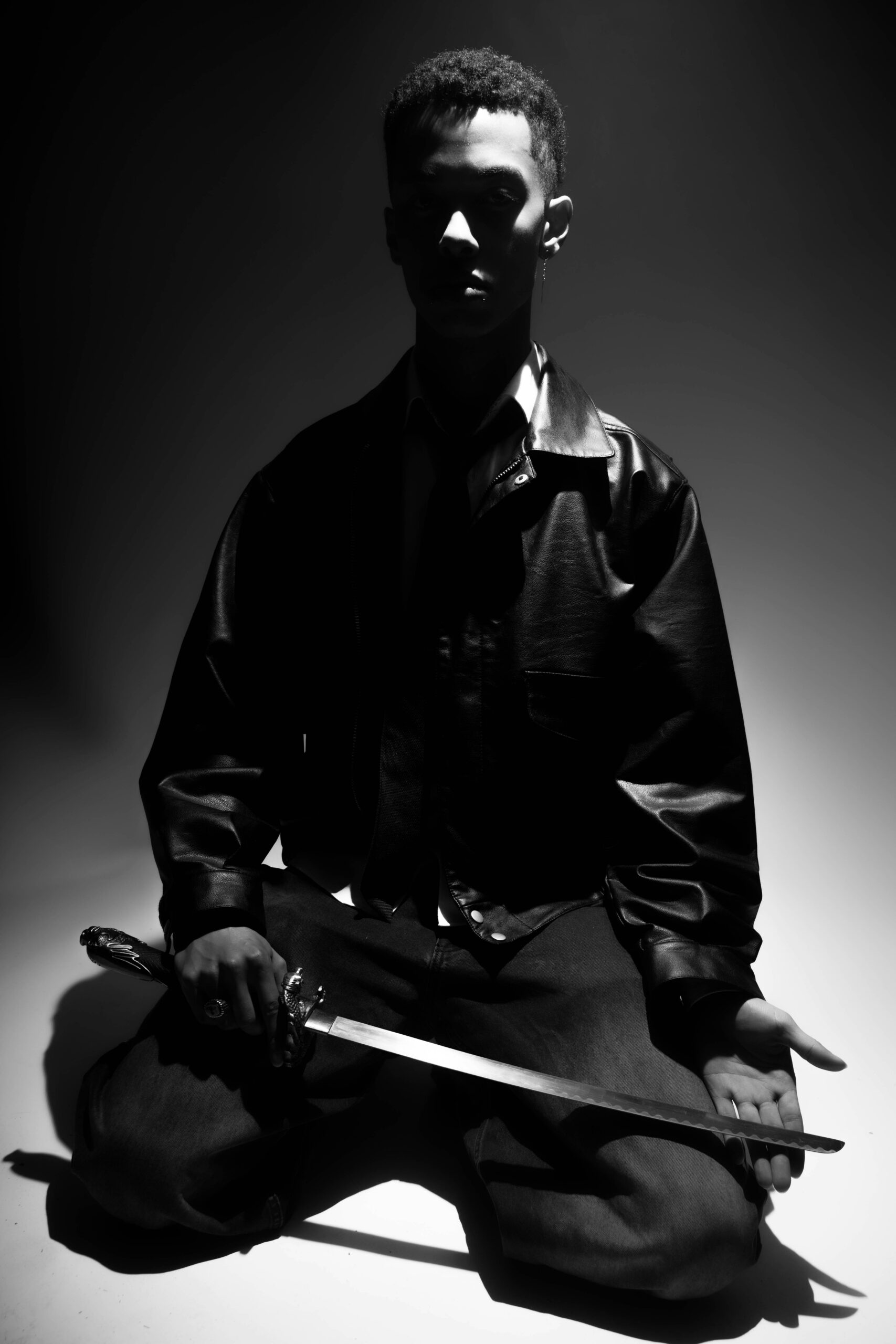
    The high-octane Hong Kong-Japanese cinematic co-production, Killer #4, has garnered significant international attention, culminating in a leading five nominations for the prestigious Golden Horse Awards, making it the most recognized Hong Kong feature film this year. The film, which marks a dramatic leading role debut for popular actor Jeffrey Ngai (Ngai Chun-sang), has captivated critics, also securing screenings at the renowned Fantastic Fest in the U.S., the Pingyao International Film Festival, and a coveted slot as the Closing Film of the Hong Kong Asian Film Festival.

    Ngai steps into the title role as Agent #4, a highly efficient assassin whose missions involve intense physical combat. To realistically portray the lethal operative, the young actor dedicated extensive time to specialized, high-intensity action training, preparing for a film that features him opposite a multinational ensemble cast including Japanese stars Sairi Itoh and Naoto Takenaka, along with Hong Kong veterans Philip Keung and Rosa Maria Velasco.

    Rigorous Training Sharpens Star’s Edge

    The transformation into a ruthless killer required more than just surface acting; it demanded genuine physical mastery. Ngai recounted his rigorous preparations, which focused heavily on close-quarters combat and grappling specialized techniques. Specifically, he trained in intricate submission holds to execute a key action sequence set within a confined tram carriage.

    “Locking techniques are crucial,” Ngai explained regarding his training regimen. “The hold must be tight enough to inflict pain on the opponent, allowing the killer to maintain control regardless of the angle of movement. This aligns perfectly with the character: a formidable assassin who can swiftly disable a target while making the process appear effortless.”

    While the continuous, exhaustive training left his muscles aching and utterly fatigued, Ngai called the experience “exhilarating.” He noted that the physical exertion helped internalize the role, though he admitted that adopting the necessary emotional coldness required for the hitman was a greater challenge than mastering the choreography.

    Mastering the Craft Overseas and On Set

    Beyond the initial training in Hong Kong, Ngai traveled to Japan for specialized martial arts instruction led by acclaimed action director Koichi Sakamoto, known for his work spanning from local productions to Hollywood blockbusters. Sakamoto, a Golden Horse nominee himself, oversaw the complex action sequences, including stylized gunfights and traditional Japanese swordsmanship.

    Ngai humorously recounted the non-verbal communication required with his Japanese instructors. Furthermore, due to the need for specific sound effects and safety regulations during training, Ngai had to improvise gun sounds during firing drills. “Because we couldn’t use live ammunition but needed the emotional impact, I had to be my own sound effects, mentally willing myself not to form poum, poum shapes with my mouth during the actual shoot,” he joked.

    Sakamoto expressed high praise for the newcomer’s dedication and quick learning curve. “Jeffrey possesses incredible energy and professionalism, always approaching the demanding tasks with a smile,” Sakamoto shared. “He absorbed all the action demonstrations very quickly. We shared a wonderful time both in training and during the filming process.”

    Despite moments of frustration during initial rehearsal phases—often practicing moves into empty space without the tactile reality of an opponent—Ngai found immense satisfaction when those learned skills translated seamlessly into the intense on-set realities. The resulting critical acclaim, highlighted by the Golden Horse recognition, underscores the successful commitment to portraying cinematic realism.

    Killer #4’s deep dive into the underworld narrative, coupled with expertly choreographed action sequences and strong performances, sets a high bar for contemporary Asian genre cinema, promising an exciting run throughout the awards season.

  • Hong Kong Music Awards Reveal Fan Favorites for 2025 Ceremony

    Hong Kong Music Awards Reveal Fan Favorites for 2025 Ceremony

    Hong Kong’s highly anticipated annual music celebration, the 2025 Commercial Radio Ultimate Song Chart Awards Presentation (also known as the Chill Fai Awards), solidified its lineup on Wednesday, unveiling the coveted “My Favorite” nominees. Commercial Radio announced the final five contenders across the categories of Male Artist, Female Artist, and Group, as determined by popular vote leading up to the midday deadline. The official ceremony is set to mark the new year on January 1st at the AsiaWorld-Expo’s Arena, showcasing the local industry’s highest-achieving and most beloved talent.

    The fiercely competitive nominations for the My Favorite Male Artist category boiled down to five top performers: MC Cheung, Terence Lam, Keung To, Hins Cheung, and Anson Lo. Notably, the nominations highlighted the dominant popularity of Canto-pop powerhouse boyband MIRROR, with two of its most prominent members—Keung To and Anson Lo—securing their spots among the finalists.

    Diverse Talent Dominates Female and Group Categories

    The final roster for the My Favorite Female Artist award encompasses a mix of established voices and emerging stars. The five finalists are: Gin Lee, Marf Qiu, Panther Chan, Stephy Tang, and Janice Vidal. This group demonstrates the breadth of female talent currently shaping the region’s music landscape, spanning sophisticated ballads to energetic pop anthems.

    Equally compelling is the list of nominees for My Favorite Group. Securing spots among the top five are the popular girl group COLLAR, rock stalwarts Dear Jane, the ubiquitous boyband MIRROR, and the rising acts Pandora and LILLY & SLEEP. The inclusion of groups like Pandora and LILLY & SLEEP alongside titans such as MIRROR signals a vibrant scene where independent and fresh voices are breaking through into the mainstream consciousness.

    Context and Implications

    The “My Favorite” categories are unique in the Hong Kong music awards ecosystem as they are solely decided by the public, representing the ultimate measure of an artist’s current mass appeal and influence. Unlike technical awards, which are determined by industry experts, these accolades reflect listener engagement and chart success over the past year.

    The presence of both Keung To and Anson Lo, alongside veteran star Hins Cheung, underscores the generational shift and enduring popularity of idol culture within Canto-pop. Conversely, the strong showing by acts outside major label structures in the group category suggests that audience tastes are diversifying, rewarding authenticity and varied musical styles.

    With the nominees now set, fans will eagerly anticipate the final rounds of voting, which will ultimately decide who lifts the coveted trophies at the January 1st televised event, officially kicking off the Canto-pop year. The final results will serve as a crucial barometer for the year’s musical trends and the trajectory of Hong Kong’s celebrated artists.