• Major Award Win Briefly Sparks, Then Disappears from Chinese Social Media

    Major Award Win Briefly Sparks, Then Disappears from Chinese Social Media

    TAIPEI/BEIJING — Actress Fan Bingbing’s significant career resurgence, marked by her win as Best Leading Actress at Taiwan’s 62nd Golden Horse Awards, was met with swift public discussion and subsequent censorship on mainland Chinese social media platforms. The prominent star secured the coveted prize late Tuesday for her role in the film Di Mu (Earth Mother), a victory immediately hailed as a major milestone following a highly publicized 2018 tax evasion scandal that paused her career.

    However, the excitement was quickly curtailed. Posts celebrating the achievement, including one detailing Fan’s emotional reaction and late-night message to fans, vanished from platforms like Weibo early Wednesday morning.

    Post-Award Celebrations Censored

    Fan, unable to attend the Taipei ceremony, was reportedly connected via video call backstage after director Zhang Ji’an accepted the award on her behalf. According to reports, the actress expressed deep gratitude and emotional growth stemming from the role.

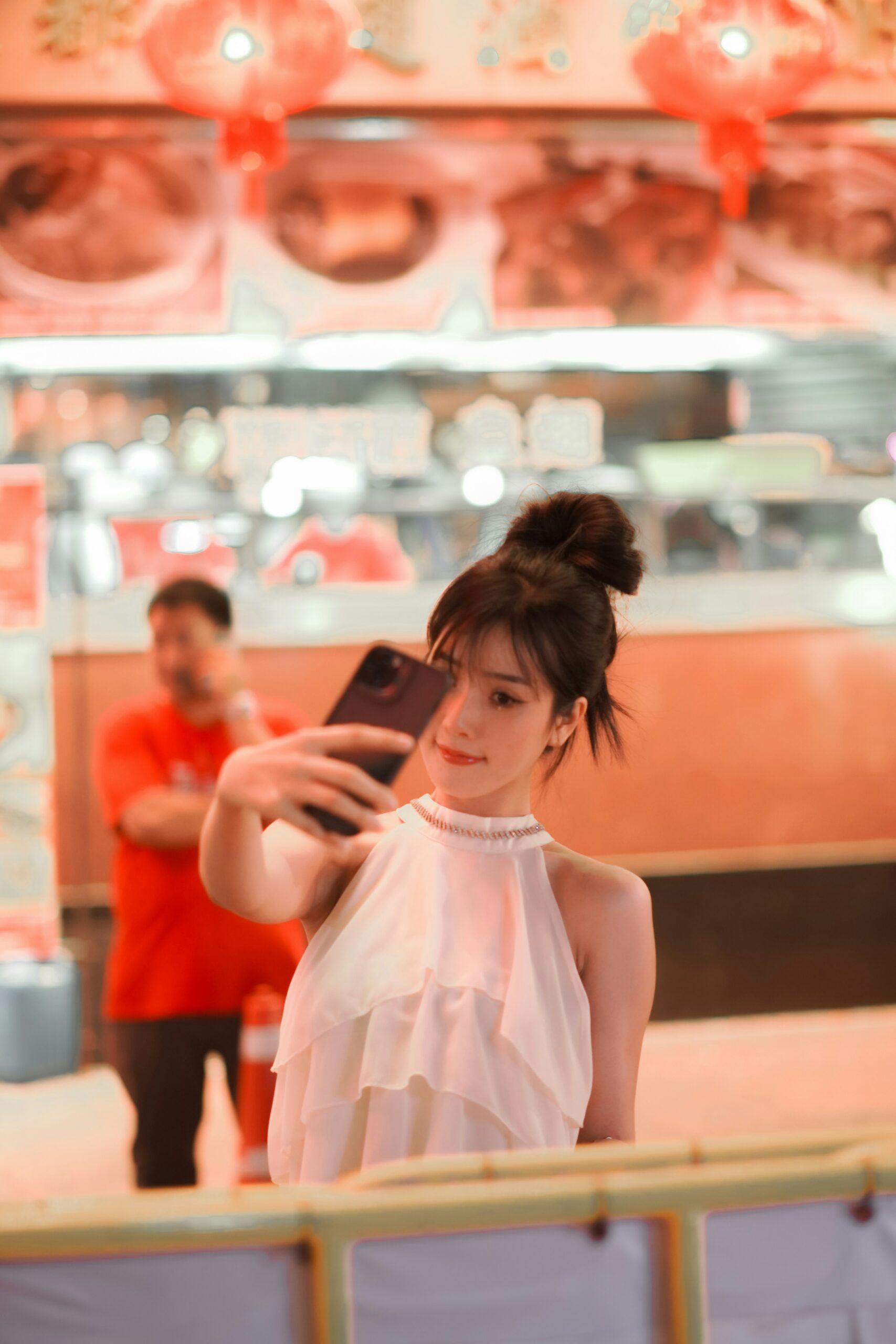
    In the early hours of Wednesday, Fan posted a now-deleted message on Weibo addressing the win. She described fielding over six hundred congratulatory messages and consuming three Shanghai hairy crabs, expressing a mix of “happiness and bewilderment.” The post, accompanied by a selfie showing her tear-swollen eyes and a photo of the crab shells, quickly garnered attention.

    Within hours, that post disappeared. Further evidence of censorship emerged when Fan’s official studio account also deleted its congratulatory message. Although the studio’s post skillfully avoided mentioning “Taiwan” or the “Golden Horse Awards,” it was removed shortly after publication, fueling widespread speculation among netizens about the sensitivity surrounding the award in mainland cyber regulation environments.

    Tax Scandal Legacy Overshadows Artistic Triumph

    Fan Bingbing’s win ignited polarized discussions across Chinese cyberspace before the censorship sweep. The actress’s public image remains complicated by the high-profile tax evasion case five years ago, which led to sharp penalties and a temporary industry ban.

    Many online commentators argued that her past transgressions should preclude any high-profile accolades. Conversely, a strong contingent of fans and industry peers praised her resilience, noting her dedication and commitment to her craft despite the setbacks. They lauded her “never-say-die” spirit and humility throughout her rehabilitation process.

    Fan’s international manager, Zhang Xinling, confirmed the intensive effort behind the performance, noting that the award recognized the culmination of Fan Bingbing’s hard work, including arduous filming conditions where she was “bitten relentlessly by mosquitos.”

    The Golden Horse Awards, often regarded as the “Oscars of the Chinese-language film world,” are held in Taipei and frequently carry political connotations that can trigger mainland Chinese media restrictions. While the artistic community celebrates Fan’s professional redemption, the swift removal of celebratory content underscores the continued, complex political and regulatory oversight governing the mainland’s entertainment sector and the lingering sensitivity surrounding her public visibility. The actress’s younger brother, Fan Chengcheng, noticeably maintained silence on his social media accounts following the announcement.

    The incident highlights the difficult balance established celebrities must navigate between international recognition and domestic approval in the current media landscape. Fan Bingbing’s win may signify a professional return, but the swift censorship indicates that her rehabilitation remains subject to ongoing digital scrutiny.
  • Veteran Media Personality Celebrates 55th Birthday Following Career Shift

    Veteran Media Personality Celebrates 55th Birthday Following Career Shift

    Longtime Hong Kong media fixture and former Commercial Radio DJ Kitty Yuen Siu-yee marked her 55th birthday today, April 23rd, enjoying a celebratory dinner and sharing optimistic reflections on her recent career transition. The beloved personality, widely known as Siu-yee, took to social media in the early hours to post photos of her evening, which included friends, champagne, and a traditional birthday cake, signaling a positive new chapter following her departure from the radio waves.

    “Happy birthday to me,” Yuen posted, drawing a parallel between her personal landmark and a storied vintage. “I heard that 2002 was a great year for champagne. This year, 2025, is also a great year in my life.” She concluded with a heartfelt wish for herself: “I wish myself good health, to truly enjoy the life I love, and for everything to go smoothly.”

    Transitioning to New Horizons

    Yuen’s celebrations come weeks after she ended a foundational, three-decade-long tenure at Commercial Radio Hong Kong on March 31st. Choosing to pivot to independent work, the influential presenter is now operating as a freelancer, allowing her flexibility to pursue diverse projects.

    A key element of her new approach is the launch of her personal YouTube channel, Kitty Yuen’s Paradise (阮小樂園). The digital venture is already demonstrating strong traction, with her inaugural video rapidly approaching 200,000 views, underscoring her enduring popularity and successful transition into the online entertainment sphere.

    Yuen had previously indicated that this strategic shift was timed specifically to coincide with her birthday month, affording her the ability to relax and appreciate her special day fully. Her decision to move away from the rigorous demands of a full-time radio schedule was framed as a conscious effort to embrace a slower pace of life.

    Embracing the “Harvest Season”

    The veteran personality has been candid about viewing this period as a “harvest season” following years of relentless dedication to her demanding career. Having labored tirelessly to achieve professional success, Yuen feels she has now fulfilled her commitments and can prioritize personal enjoyment.

    “The days when I had to struggle hard to earn money are over,” she reportedly said on previous occasions. “I don’t need to push myself too hard now; it’s time to slow down and appreciate the beautiful things in life.”

    Yuen’s decision reflects a broader trend among established media professionals in Hong Kong and globally, who are leveraging their brand equity and experience to forge independent paths in the evolving digital content landscape. By shifting the focus from high-pressure daily broadcasting to self-directed projects, figures like Yuen are redefining career longevity in the entertainment industry.

    Her public message of contentment and self-care resonates with many navigating mid-life career transitions, emphasizing health and personal satisfaction over continuous professional striving. As Yuen steps into this new phase, fans and industry peers eagerly await the content and creativity that will emerge from her self-proclaimed “good year.”

  • ‘The Great Fog’ Dominates Golden Horse Awards’ 62nd Ceremony

    ‘The Great Fog’ Dominates Golden Horse Awards’ 62nd Ceremony

    Taipei hosted the glittering 62nd annual Golden Horse Awards Saturday evening, celebrating the zenith of Chinese-language cinema, where the somber drama ‘The Great Fog’ (大濛) emerged as the night’s biggest winner, taking home multiple top honors including Best Feature Film. The ceremony underscored a powerful year for independent and artistic filmmaking, recognizing both established talents and promising newcomers across performance, directorial, and technical categories.

    The top prizes were distributed among several acclaimed productions. ‘The Great Fog’ secured the coveted Best Feature Film award, complementing victories for its original screenplay, art direction, and costume design, marking it as the definitive critical success of the year. Director Stanley Li, for his work on ‘A Study of Living Beings’ (眾生相), was honored with the Best Director award, recognizing his nuanced storytelling and guidance of performance.

    Veterans and Newcomers Share Spotlight

    Performance categories saw significant acclaim for seasoned actors. Esteemed veteran Fan Bingbing captured the Best Leading Actress trophy for her compelling role in ‘Earth Mother’ (地母), a film that also earned a win for Best Cinematography and Best Original Film Song, “Bu Yang” (布秧), performed by Penny Tai. Meanwhile, the revered actor Chang Chen took Best Leading Actor for his performance in ‘The Road to Happiness’ (幸福之路).

    The supporting roles were claimed by younger generations: Tseng Ching-Hua secured Best Supporting Actor for ‘My Family’s Affairs’ (我家的事), and Chen Shueh-Chen won Best Supporting Actress for ‘Life is Like the Sea’ (人生海海).

    Crucially, the awards highlight the infusion of new creative voices. Lloyd Lee Choi received the Best New Director honor for ‘The Road to Happiness,’ signaling a strong debut. The prize for Best New Performer went to Ma Shih-Yuan for her impactful role in ‘Left-Handed Girl’ (左撇子女孩), demonstrating the depth of emerging talent.

    Technical Prowess and Documentary Excellence

    Beyond the main accolades, the Golden Horse Awards celebrated the technical mastery essential to filmmaking. ‘The Road to Happiness’ also secured Best Original Film Score by Charles Humenry.

    In the genre categories, documentation of critical societal themes was celebrated. ‘The Book of Tracks: Rewriting Self’ (隱蹟之書:重寫自我) earned recognition as both Best Documentary Feature and Best Editing (Hsieh Mei-Lien). Animated feature ‘The Outsider’ (世外) and the short animation ‘Mantis’ (螳螂) were honored for their artistic ambition. Action choreography was recognized with Huang Tai-Wei and Chen Chia-Ling winning for ‘The Counterattack of the Hateful Woman’ (恨女的逆襲).

    The ceremony also paid tribute to cinematic legends. Veteran actress Chen Shu-Fang received the prestigious Lifetime Achievement Award for her indelible contributions to cinema over decades. Furthermore, Chung Chiung-Ting was honored as the Outstanding Taiwanese Filmmaker of the Year, recognizing vital behind-the-scenes work supporting the industry’s continuous growth.

    The Golden Horse Awards, often regarded as the “Oscars of Chinese-language cinema,” serve not merely as a celebration of past achievements but as a critical forecast for Asian film trends. The recognition of deeply artistic, thematic films like ‘The Great Fog’ suggests a preference among critics for complex narrative structures and high production value. The strong presence of Taiwanese productions, alongside entries from across the region, affirms the enduring reputation and cultural importance of the Taipei-based ceremony in global cinema.