• Male Tears Redefined: Asian Media Hosts Debate Modern Masculinity and Vulnerability

    Male Tears Redefined: Asian Media Hosts Debate Modern Masculinity and Vulnerability

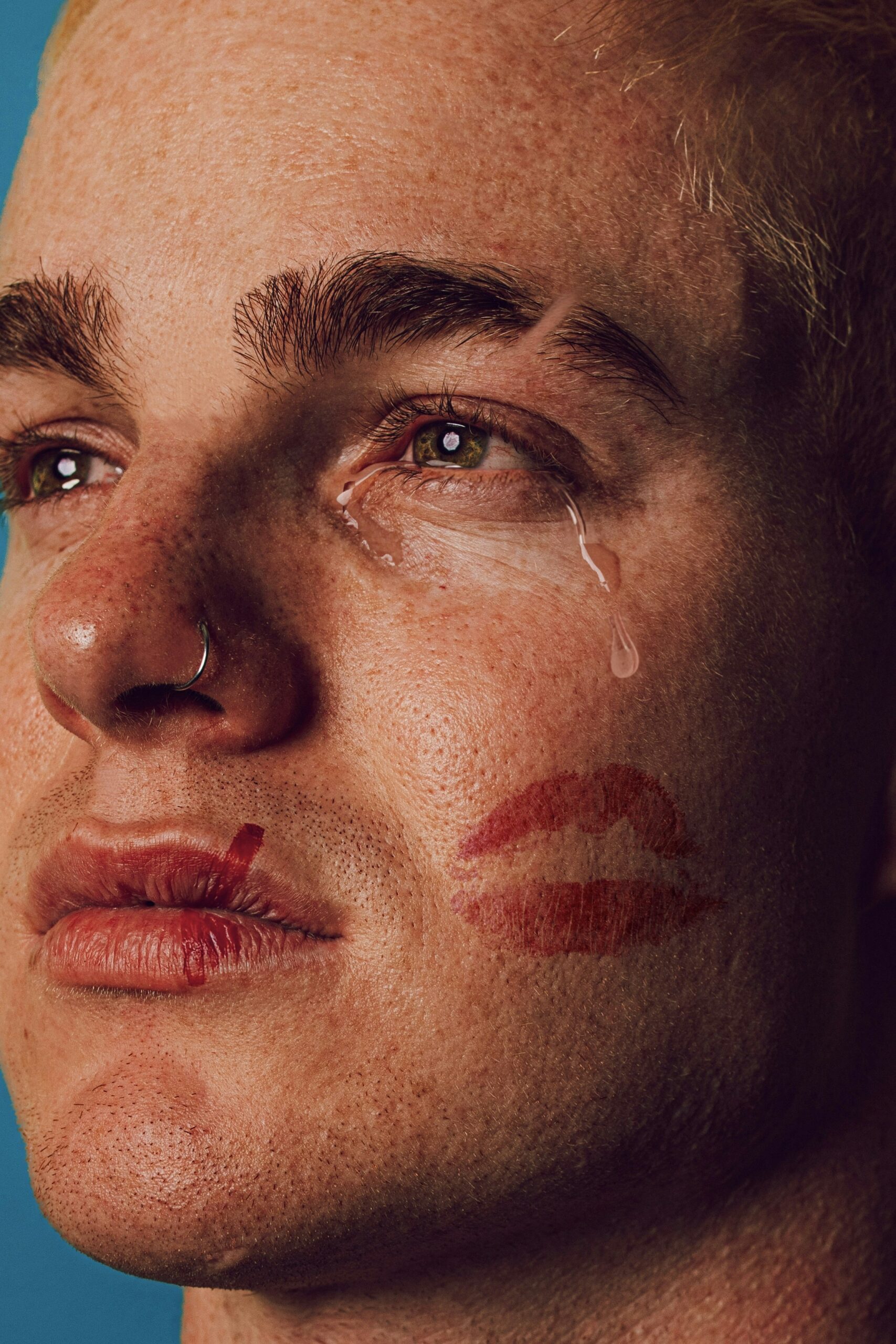
    A popular Asian discussion program recently tackled the evolving concept of male emotional expression, contrasting the entrenched notion of “men don’t cry” with contemporary acceptance of male vulnerability. The panel of hosts on ViuTV’s talk show, Late Night Chat – Men Talk Nonsense, explored how modern societal expectations challenge traditional stoicism, ultimately revealing a prevailing reluctance among many men, particularly in intimate relationships, to expose their deeper emotional frailties.

    The episode, featuring hosts Kwo Ka-chun (193), Thor Lok, Tam Kin-kwong (Tam Shook), and Helen Tam, centered on the theme of “the surging value of a man’s tears.” While acknowledging cultural shifts, the hosts provided insight into the internal conflict many men face when balancing emotional authenticity with perceived strength.

    Kwo Ka-chun, known as 193, asserted a stark traditional view, stating that crying in front of a partner suggests weakness. “Generally, men are supposed to protect women,” he remarked, indicating a clear separation between the protective male role and emotional openness.

    Fellow host Thor Lok shared a deeply personal experience, illustrating that tears often surface only during moments of intense, unavoidable crisis. He recounted rushing late one night to visit a friend gravely ill with cancer. Despite maintaining a facade of composure for his friend and fellow visitors—exchanging comforting, yet perhaps hollow, assurances that “everything will be fine soon”—the group broke down immediately upon leaving the hospital room. Lok described the embrace as witnessing mutual vulnerability. Driven by a desire to conceal his distress, he subsequently returned to his workplace and deliberately acted as if nothing had happened, hiding the fact that he had wept.

    Veteran broadcaster Tam Kin-kwong, known as Tam Shook, strongly echoed the historical mandate against male tears: “In the past, the consensus was that a grown man shouldn’t cry.” He even dramatically claimed that in earlier times, a man “wouldn’t cry even if he were stabbed twice.” Tam recalled an instance early in his career when demoralizing criticism from senior colleagues, following a grueling 20-hour shoot, caused him immense self-doubt. The subsequent quiet encouragement from a single crew member triggered a sudden, overwhelming emotional release that he vowed to remember forever.

    Addressing the cultural pressure to suppress emotion, Tam Shook humorously recalled a past breakup where, to avoid public embarrassment, he sought anonymity by crying in a funeral home. “I pretended to be a relative there, and no one questioned it,” he admitted.

    In stark contrast, Helen Tam championed emotional parity, arguing that it is entirely acceptable for men to cry in front of her. She emphasized that contemporary society should discourage emotional suppression to prevent severe mental health issues, or “emotional burnout.”

    The discussion momentarily shifted to the hosts’ professional lives as performers, where sincerity is sometimes mandatory. 193 conceded that during reality television filming, emotion must flow naturally: “When the camera is rolling for a reality show, you just have to cry when you need to.” However, he quickly reiterated his belief that such vulnerability should not extend to his partner.

    Lok seized on this distinction, challenging 193: “But you’ve cried in front of [producer] Ms. Fa?” The panel erupted in laughter. 193 quickly differentiated the relationship, responding, “I don’t need to protect her, and I don’t calculate whether she’s a man or a woman.” This humorous exchange underscored the complex, often arbitrary, lines drawn by men regarding who is worthy of witnessing their emotional truth.

    The segment highlighted a global trend: while societal discourse increasingly encourages men to embrace their feelings, decades of conditioning often lead them to reserve their deepest vulnerabilities for non-intimate, crisis-driven moments, or the confines of professional demands, rather than openly sharing them with those they seek to protect.

  • Actresses Celebrate Milestones, Share Family Insights at Beauty Event

    Actresses Celebrate Milestones, Share Family Insights at Beauty Event

    HONG KONG — Actresses Michelle Wai and Grace Chan appeared at a skincare brand promotion in Tsim Sha Tsui today, offering candid reflections on recent personal milestones, professional endeavors, and the dynamic joys of family life. Wai, who recently turned 41, and Chan, a mother of three, shared lighthearted anecdotes about belated birthday celebrations and navigating the challenges of parenting.

    Michelle Wai, celebrating her first birthday since marriage, highlighted the comical efforts of her husband to balance surprise and practicality. While she conceded that discussing her age was less appealing now, she described a memorable joint cake-buying excursion followed by a meticulously executed, yet entirely transparent, midnight “surprise.”

    “He found it hilarious to give me a single ‘bean,’ which he said represented the freedom to choose my own gift this year,” Wai recounted. This choice was informed by a previous gift—a hat she disliked—leading her to opt for a piece of turquoise jewelry.

    Focusing on professional life, Wai expressed an intensive commitment to her current film project, prioritizing good health and smooth production as her primary birthday wishes. She revealed that her husband frequently participates in script readings, though his dramatic flair often leans toward comedy. While appreciative of his support, Wai joked about tempering his ambitions: “His sense of humor might be built on the audience’s suffering, so I won’t encourage him to enter the industry just yet.”

    Balancing Careers and Parenthood: Travel and Adaptation

    Meanwhile, Grace Chan, wife of actor Kevin Cheng, shared details of a recent one-on-one trip with her eldest son to Sanya. The journey served as an acknowledgment of his successful transition into primary school, a period marked by significant change for the six-year-old.

    Chan noted that the most rewarding part of the trip was the quiet, intimate conversations shared before bedtime. Despite typically communicating in English, her son quickly developed a passion for his new Mandarin classes. She attributed his enthusiasm and growing confidence—he now dares to ask questions in Chinese—to the consistent encouragement of his teacher, who shares the same surname, Cheng.

    Addressing the potential for sibling rivalry, Chan confirmed that her two younger sons understood the solo trip, as the parents employ a rotational strategy for travel. “We’ve agreed to let them take turns traveling with us,” she explained. Chan admitted that managing all three boys alone on an international trip remains a challenge she is not yet ready for, a feat reserved for when they are older. She made sure to commend her husband for his significant, hands-on role in childcare, acknowledging his crucial contribution to their family balance.

    The appearance highlighted how these public figures navigate the complexities of their careers while maintaining robust, supportive personal lives. Both actresses emphasized the importance of adaptation—whether personal, familial, or professional—in achieving harmony. Their discussions offered relatable snapshots into the modern challenges of marriage, parenting, and artistic creation under the public eye.

  • Taiwanese Celebrity’s Sentence Increased by Appeals Court Despite Settlements

    Taiwanese Celebrity’s Sentence Increased by Appeals Court Despite Settlements

    Taipei, Taiwan—A Taiwanese appeals court on Tuesday increased the sentence for high-profile celebrity Mickey Huang (Huang Zi-jiao) in a child sexual abuse imagery case, despite the defendant having reached civil settlements with all victims. The Taiwan High Court, reviewing the initial charge of violating the Child and Youth Sexual Exploitation Prevention Act, ruled that Huang’s actions warranted a more stringent penalty under data protection laws.

    The High Court delivered its verdict this morning, criticizing Huang for selfishly obtaining and downloading illicit child sexual abuse imagery by becoming a member of a distribution network. The court acknowledged the severe detrimental impact on the well-being and development of minors. However, the ruling also noted that Huang had successfully negotiated reconciliation and restitution agreements with all 37 identified victims, a factor heavily considered during sentencing.

    Consequently, the court handed down a mitigated sentence of one year and six months, citing personal data protection laws as the most appropriate statute for the conviction. Crucially, the sentence was suspended for four years, contingent upon Huang fulfilling several mandatory conditions: 180 hours of compulsory community service and participation in three sessions of specialized legal education focusing on child protection and gender equality issues. The decision is subject to further appeal.

    Background of the Case and Legal Strategy

    Huang, a prominent figure in Taiwan’s entertainment industry, had initially been convicted in a lower court and sentenced to eight months in prison for purchasing and possessing the banned materials. He subsequently appealed the decision, with the second-instance defense concluding on October 21.

    In a three-page statement released through his legal representatives prior to the High Court ruling, Huang confirmed that he had finalized settlements with every victim. He expressed deep remorse, stating that behind every image lies a “painful story” and offered another apology to all affected individuals. Huang maintained that he accepted full responsibility, arguing that without the demand from individuals like himself, the supply market would diminish.

    Victim Reconciliation and Public Discourse

    Huang’s legal team explained that due to the sensitive nature of cases involving minors, the reconciliation process required judicial assistance to protect victim privacy. Several victims reportedly submitted statements to the court, indicating their understanding that Huang was not involved in the original creation or filming of the content.

    The defense also contended that the facts of the case had been sensationalized, claiming that many of the downloaded images involved adult content, and that much of the activity occurred before recent amendments to the child protection statute were enacted.

    Huang publicly reflected on his poor judgment, emphasizing that as a public figure, he should hold himself to the highest moral standards. He admitted that his “foolish curiosity” led him to break the law, resulting in the loss of his career and profound familial consequences. While he expressed gratitude for the forgiveness he has received, he swore the incident would serve as a lifelong lesson in vigilance and ethical conduct.

    The outcome highlights the legal system’s attempt to balance accountability for serious offenses against successful efforts toward victim restitution and demonstrable rehabilitation. Legal experts suggest that the suspended sentence emphasizes mandatory educational components to prevent recidivism. The case underscores the serious legal and moral liabilities associated with the consumption of illegal sexual exploitation imagery globally.