• Celebrities Mobilize Millions for Hong Kong Fire Relief Efforts

    Celebrities Mobilize Millions for Hong Kong Fire Relief Efforts

    Multiple prominent entertainment figures have rapidly committed substantial financial aid to victims of the recent serious apartment building fire in Tai Po, Hong Kong, demonstrating an immediate, coordinated response to the disaster. The severe blaze, which struck the Wang Fuk Court housing complex, prompted rapid emergency fundraising efforts across Greater China to support temporary housing, essential supplies, and long-term recovery for affected residents, particularly elderly and vulnerable individuals.

    The philanthropic surge was spearheaded by mainland singer Han Hong’s charitable organization. The Han Hong Love and Charity Foundation announced an emergency donation of 10 million RMB (approximately 10.8 million HKD) via social media. The foundation stated the funds are earmarked for the interim resettlement of disadvantaged groups impacted by the fire, including the elderly, infirm, sick, and disabled. The organization pledged continuous support as recovery operations progress, aiming to provide tangible relief and aid in reconstruction efforts. In their official statement, the Foundation offered “deep condolences to the unfortunate victims” and expressed “sincere sympathies to the affected families,” while extending “profound respect” to the firefighters, police, medical teams, and frontline personnel involved in the rescue. Han Hong personally amplified the message, adding the emotional plea: “My heart aches for Hong Kong! Praying for safety!”

    Several Hong Kong-based celebrities also contributed significant resources through established local charities. Actress Cecilia Cheung dedicated HK$1 million through the Po Leung Kuk, a long-standing Hong Kong social service organization. Her studio confirmed the donation is explicitly designated for immediate emergency relief, temporary resident accommodation, and replenishing essential living supplies for those displaced by the New Territories incident.

    Similarly, singer Jackson Wang of the K-pop group GOT7 announced a concurrent donation of HK$1 million directed through the Tung Wah Group of Hospitals, one of Hong Kong’s largest charitable service providers, to assist the displaced residents.

    Further contributions came through the Yan Chai Hospital‘s emergency fund. The hospital confirmed that actress Karena Ng donated HK$300,000, while actress Samantha Ko contributed HK$200,000. These funds are intended to deliver immediate support and warmth to residents of Wang Fuk Court affected by the calamity.

    The swift mobilization of significant funds—totaling over HK$13 million from these initial celebrity-backed initiatives—underscores the deep interconnectedness and mutual support often seen during regional crises. The donations prioritize immediate, practical needs, moving beyond simple monetary contribution to focus on tangible measures like temporary shelter and direct livelihood support.

    Disaster Relief Focuses on Vulnerable Communities

    The emphasis from nearly all donors on transitional housing and support for vulnerable individuals highlights a critical challenge in urban fire disasters: those with limited resources often face the steepest climb toward recovery. Local non-governmental organizations (NGOs) are now managing the complex logistics of deploying these large sums to where they are most urgently needed, coordinating with government agencies to ensure smooth service delivery.

    These high-profile, rapid responses serve not only to inject necessary financial capital but also to heighten public awareness and encourage broader community participation in the ongoing relief and recovery phase. The swift, multi-million dollar aid packages serve as a powerful testament to the unity across the entertainment sector in times of tragedy, ensuring that affected families receive vital help to rebuild their lives following the devastating event.
  • Former Pageant Runner-Up Details Surprise Prison Reality After Tax Evasion Sentence

    Former Pageant Runner-Up Details Surprise Prison Reality After Tax Evasion Sentence

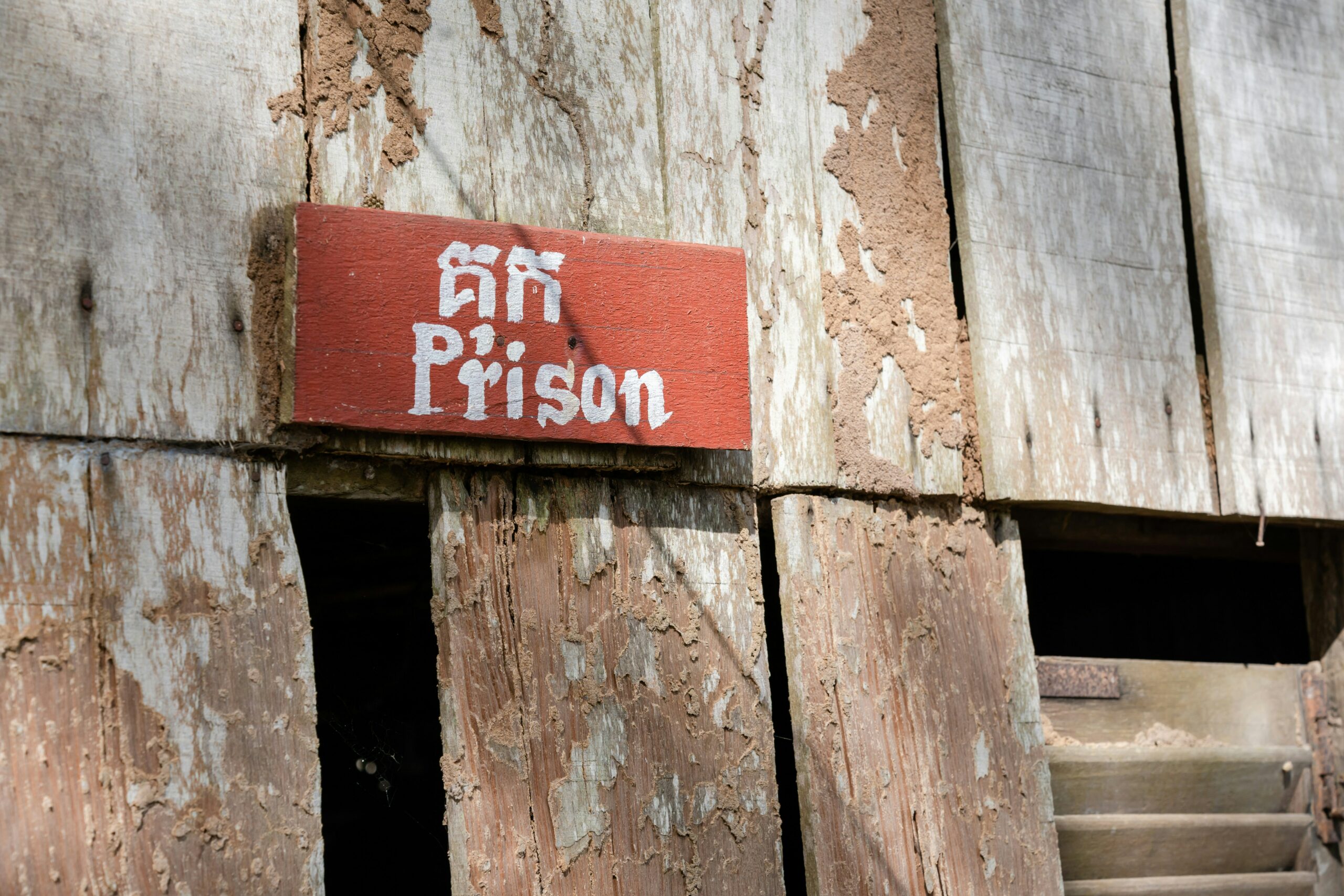
    HONG KONG—Isabella Kou Hung-ping, the 1982 third runner-up of the Miss Hong Kong pageant, recently offered a rare and candid account of her nine-month imprisonment for tax evasion in 2022, detailing the profound internal shift spurred by her conviction and subsequent incarceration. Speaking on the Commercial Radio program Ben and Benson’s Chur-to-Hang, Kou recounted the initial shock of the court’s ruling and shared how faith ultimately guided her through the experience, transforming a feared ordeal into a period of self-reflection and growth.

    The former celebrity entrepreneur described the moment the verdict was delivered as a thunderbolt, instantly generating a feeling of disbelief and the insistent question, “Why me?” Prior media depictions of prison life, she admitted, had instilled deep fear. While being transported from the courthouse, Kou found herself praying intensely: “God, if I cannot bear this, please take me now.” Counterintuitively, she found the strength to endure, later realizing the experience was survivable.

    Adapting to a Regimented New Society

    Kou described the prison environment as being strictly regulated, noting the routine began with a 6:15 a.m. wake-up and ended promptly at 10:45 p.m. lights-out. Interacting with inmates from diverse nationalities and socioeconomic backgrounds became a forced lesson in humility and community engagement. She characterized the facility as a “new microcosm of society” where she relearned how to relate to others.

    Shedding the trappings of celebrity proved simpler than expected. “I entered almost as if in a dream,” Kou explained, recalling how, after her initial prayer in the transport vehicle, she accepted her fate. “It was nice not having to wear makeup, dye my hair, or worry about what to wear; we had uniforms.” She pointed out that contrary to cinematic portrayals, inmates were addressed by their names, not numbers, citing her own moniker: “Sister Ping.”

    Kou was surprised by the required level of cleanliness and hygiene standards within the facility. Due to pandemic-era protocols, she and her six to seven roommates were responsible for meticulous upkeep, including weekly deep cleaning sessions using potent disinfectants. This rigorous routine, she noted, effectively deterred pests; she observed cockroaches unable to enter the room, often found belly-up outside the barrier due to the pervasive scent of antiseptic. Even the communal toilet had stringent rules: “If there was a single drop of water, we had to wipe it dry,” she stated.

    Finding Peace in Monotony and Reflection

    During her term, Kou was assigned to the relatively benign task of counting medical masks. While tedious, she was grateful for the clean working conditions, which included both heating and air conditioning, contrasting her role favorably with assignments in the kitchen or laundry.

    The most profound hardship, however, was the separation from her family. Without access to mobile phones, communication relied solely on letters. To cope with the isolation, she drew parallels between her confinement and the long sea voyages undertaken by her late seaman father, allowing her to accept her current reality. This period also became one of intense self-study, buoyed by extensive reading of spiritual texts and martial arts novels by Louis Cha (Jin Yong).

    Upon her release, Kou initially struggled with anxiety concerning public perception, leading her to restrict her social outings. “It depends on whether you can let go,” she reflected. “In the first six months, I was nervous.” She preferred private, one-on-one meetings with close friends, sharing her experience openly in intimate settings before gradually relaxing her self-imposed isolation.

    Kou expressed deep gratitude toward friends in the business community who reached out, warmly welcoming her back and offering social invitations and potential collaborations. This overwhelming support proved crucial in rebuilding her self-assurance. Having put the incident behind her, Kou stated she is confidently charting a new course for her personal and professional life.

  • Pop Icon Ayumi Hamasaki Adjusts Tour Schedule After Hong Kong Tragedy

    Pop Icon Ayumi Hamasaki Adjusts Tour Schedule After Hong Kong Tragedy

    Japanese pop superstar Ayumi Hamasaki has announced modifications to her upcoming concert in Shanghai, a move stemming from a desire to show solidarity and respect following a deadly residential fire in Ting Kok, Hong Kong. The artist, currently on an Asian tour that began in Hong Kong this month, used social media to express gratitude for the local support and to offer prayers for the victims of the recent tragedy in Tai Po’s Wang Fuk Court. Her decision to alter the Shanghai performance, scheduled for this Saturday, the 29th, at the Oriental Sports Center, highlights the intersection of international entertainment and regional current events.

    Hamasaki, a globally recognized figure in J-Pop, specifically requested that her staff avoid wearing the color red and that both red outfits and pyrotechnics be removed from the stage performance. While the singer did not explicitly state the reasoning behind the color restriction, red is often associated with celebration and may be deemed inappropriate given the somber mood resulting from the severe loss of life in the high-rise incident, which has drawn considerable international attention. The highly destructive fire in the Wang Fuk Court building earlier this week resulted in multiple casualties and injuries, becoming a significant news story across Asia and beyond.

    “The love and encouragement the audience gave both me and the entire team in Hong Kong was overwhelming,” Hamasaki posted on her social platform, reflecting on the tour’s successful launch. She followed this declaration with the explicit instructions for her upcoming mainland China performance: “Regarding the Shanghai performance, I requested staff to avoid wearing red clothing as much as possible, and we will also cancel red costumes and firework effects on the stage. We are praying for Hong Kong.”

    The unusual move demonstrates Hamasaki’s attentiveness to her regional fan base and the cultural sensitivities surrounding recent disasters. For global touring artists, adjusting stage production and messaging in response to local events is increasingly seen as a crucial aspect of responsible engagement.

    The alterations for the Shanghai leg underscore how musicians and high-profile figures navigate public tragedies. By opting for a more subdued visual presentation and actively acknowledging the grief in a neighboring territory, Hamasaki aligns herself with the widespread local sentiment. This shift in production goes beyond typical logistical changes, serving as a public gesture of mourning and respect during a time of tragedy.

    Hamasaki’s remaining tour schedule is expected to proceed as planned, with observers noting that her decision set a precedent for other international acts performing across the region, encouraging a blend of professional commitment with compassionate public outreach. The sentiment of prayer offered by the singer is also a testament to the powerful, often unstated, connections felt across Asian communities during moments of crisis.